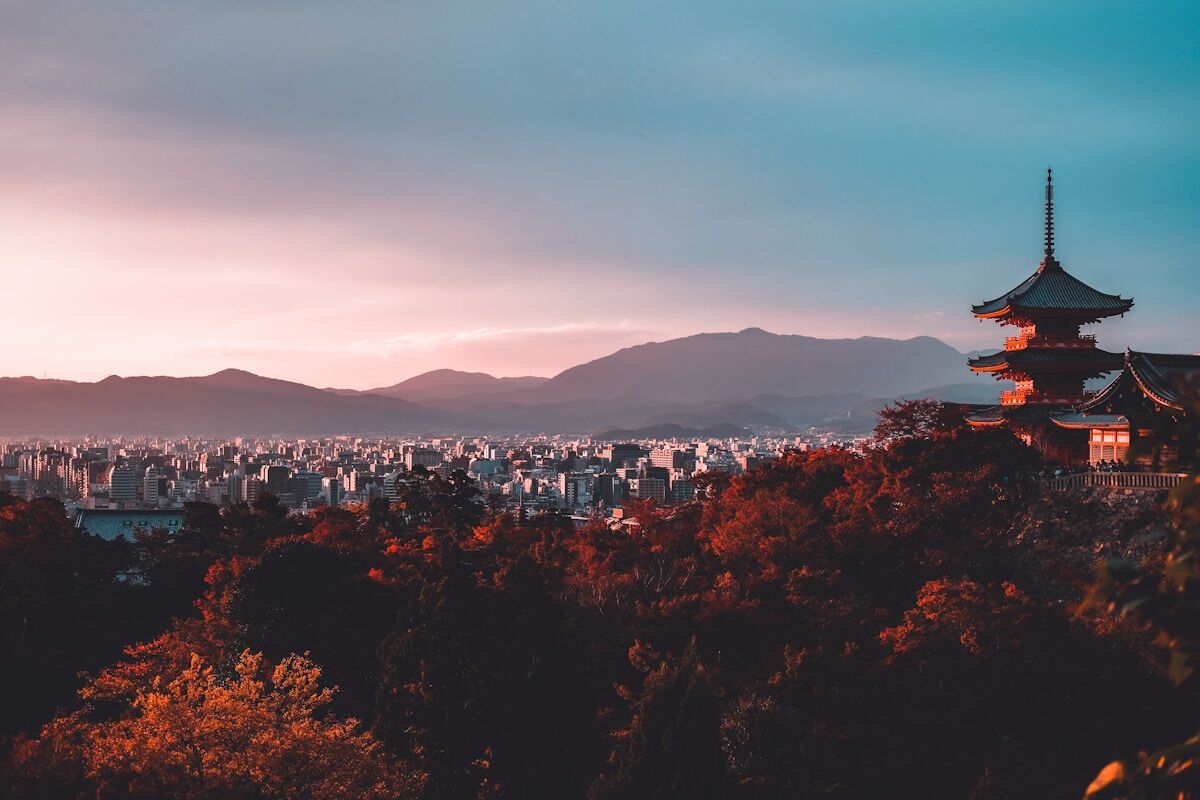
In Shuhe, north of Lijiang, I settled into a courtyard with old wood, green tiles, and a courtyard well, letting the sounds of wind and rain and the slower pace of days become the best arrangement for this summer.
If summer must have a quiet retreat, I would choose Shuhe—not for the sake of ticking off an ancient town, but to listen to the sound of the cobblestones drying slowly after a light rain.
My first visit to Shuhe in the height of summer was at the end of June. The sunshine in Lijiang was still bright, but without the sticky humidity of the south. The morning temperature was around 12-13 degrees Celsius, and the afternoon rarely exceeded 25 degrees. After the sun sets, the wind blows through the courtyard from the direction of the Jade Dragon Snow Mountain, carrying a touch of coolness. The most comfortable period for a long-term stay is from June to September; there is more rain in July and August, with afternoon showers that, paradoxically, make the air feel clearer. Carrying a light down jacket or cashmere sweater is more practical than packing too many short-sleeved shirts.
I chose to stay at a location on the edge of the ancient town, a ten-minute walk from the Four-Square Street. This allowed me to avoid the noisiest bar scene at night while still being convenient for morning shopping. A truly suitable courtyard for long-term living doesn't need to be overly new nor cluttered with so-called ethnic style. The edges of the old wooden door have the worn痕迹 of time, the rammed earth walls take on a gentle gray-brown hue in the slanting sunlight, and the handmade ceramic lanterns cast irregular light. The room has a wide wooden table, a wicker chair, and a window that can be opened; outside, it's best to have a tree rather than another glass curtain wall. Wabi-sabi is not about emptiness but about allowing objects to retain their age.
Before checking in, I would confirm four things: whether there is stable hot water and underfloor heating or an electric blanket, whether the room is damp during the rainy season, whether the internet supports remote work, and whether the courtyard is quiet at night. Long-term stays can be negotiated for a monthly rent, which is usually more relaxed than booking by the night; if planning to stay for more than two weeks, it's best to inquire in advance about cleaning, laundry, and kitchen use. Some courtyards offer breakfast, while others retain only a simple shared kitchen. For me, the latter is preferable—a morning egg cooked over a fire, a small dish of rose jam cheese, and life has its own order.
The morning in Shuhe is perfect for starting with a bowl of rice noodles. I often visit my familiar little shop, ordering clear broth chicken rice noodles with scallion roots and mint, the steam rising from the rim of the bowl; outside, the stone path has just been washed. In the afternoon, back in the courtyard, I would brew a pot of Yunnan black tea, paired with a piece of flower cake; when the rain falls, the kitchen is simmering a mushroom and chicken soup, the aroma of matsutake, boletus, and green peppers sinking into the wooden house. If one wants to eat more delicately, there are also several restaurants around the ancient town that focus on local ingredients, but the most touching part of long-term living is often a handful of muddy greens at the market and the casual addition of a few scallions by the vendor.
My days usually unfold like this: a morning walk along the Longquan Temple area, watching the water channel flow through the stone crevices; working in the courtyard in the morning, as the light slowly moves from the wooden lattice windows to the desk; in the afternoon, avoiding the strongest ultraviolet rays, taking a stroll in Baisha or Yuhu. It takes about a half-hour's drive from Shuhe to the city center of Lijiang, with convenient taxi and ride-sharing options, or you can rent an electric bike, but it's not advisable to rush during the rainy season due to slippery roads. Don't overfill your schedule with nearby short trips; leave half a day for a sudden rain and an evening for the bugling in the courtyard.
What truly needs to be adapted in Shuhe is its pace. The post office may not deliver packages on the same day, the water pressure in the old houses may occasionally be as gentle as a sigh, and the rain may rewrite one's plans. But when the dusk falls on the tiles, the wind stirs the bamboo shadows in the courtyard, and a bell tolls in the distance, I feel that these uncertainties are the most precious parts of living abroad. Summer doesn't have to be filled to the brim. Stay put, make fewer arrangements, and feel more, and Shuhe will hand over its quiet and long-lasting coolness to you.

Share Your Thoughts
Have you ever experienced a farm stay in China? Share your thoughts in the comments below!
Join the Discussion →Ready for a stay?
Pugui Mountain Retreat — wabi-sabi living at 22°C.
Related Reading
ShaxiRainy Season: Solitude in the Moisture
The rain-washed cobblestones, creaking wooden doors, mushroo
Pu'erhei: A Solitary Whitespace Amidst the Ridge Forest
Wandering beneath the karst mountain forests of Puzhehei, I
Harmony, Living Summer at a Leisurely Pace
Stepping away from the crowds and the heat, we settled into