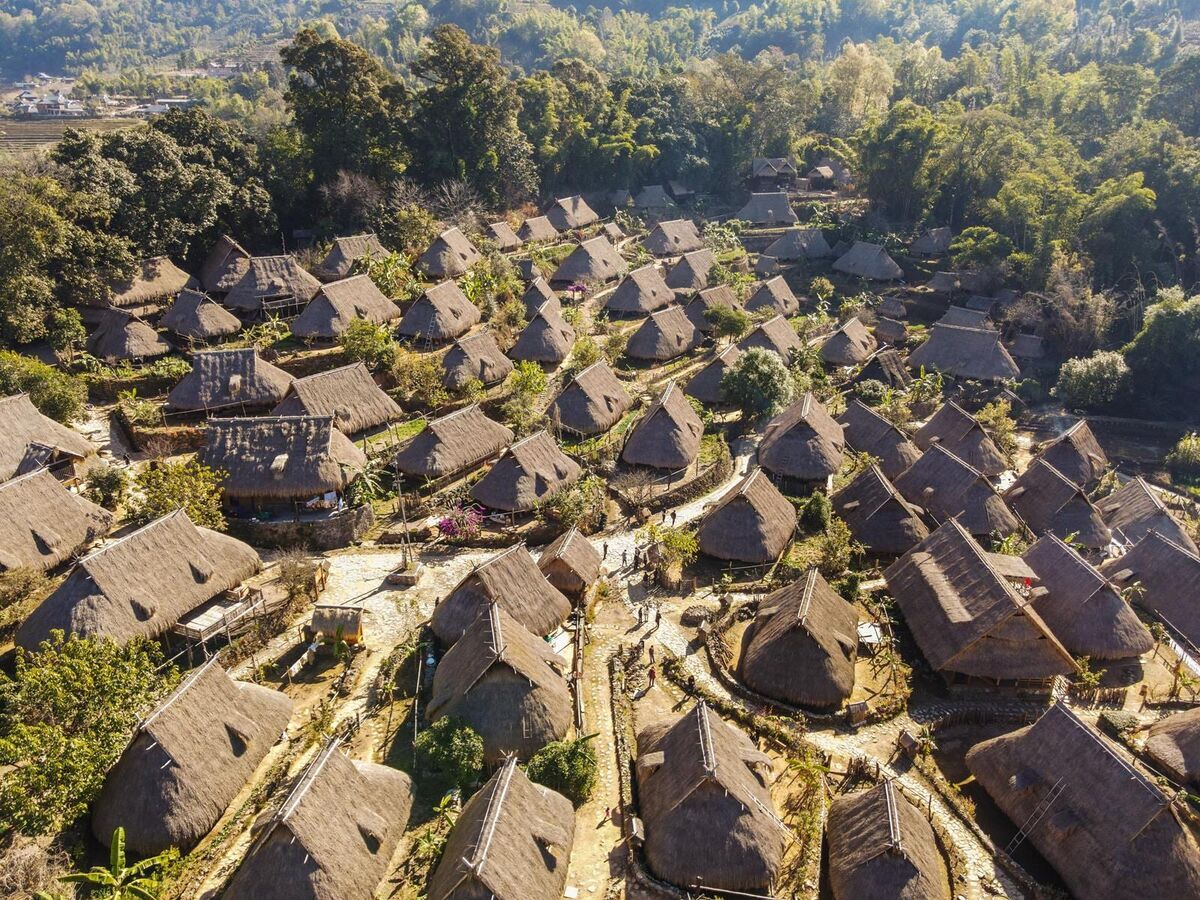
In the morning mist over Lugu Lake and the smoke from the wooden houses, the Mosuo people's practice of walking marriage is not a sign of curiosity, but a philosophy of living in harmony with nature. The beauty of Eastern Wabi-Sabi is hidden in the soft sound of the pig trough boat slicing through the water, the pine scent from the hearth in the grandmother's house, and the daily rituals that speak for themselves.
At five thirty in the morning, the mist compresses Lugu Lake into a sheet of leaden gray silk. I reside in the grandmother's house of a Mosuo woman, a wooden lintel house constructed from whole logs, the gaps filled with moss and dried grass, carrying the aged scent of resin. Pushing open the carved wooden window, the creaking sound resembles an incomplete old tune, while the breath of the lake floods in instantly—not waves, but the delicate friction of water ripples lapping at pebbles, as if time here has been ground to powder. Walking barefoot on the floor, the coarse wood grain pricks the soles, a patina worn by generations of barefoot footsteps. The charcoal in the hearth still glows with a dim red, and the grandmother is boiling butter tea in a copper pot, the aroma mingling with the smoke of pine wood, weaving into a tangible warmth. She hands me a wooden bowl, its rim worn smooth, like prayer beads passed by countless hands. The tea is salty, floating with semi-transparent oil droplets, leaving a thick, silent sensation in the throat—like the Mosuo people never question "why," but rather convey answers through the daily whispers.
During the day, the lake's surface is broken into ten thousand silver scales, and the pork trough boats are carved from a single tree. Sitting at the bottom, one can smell the briny sweetness of water seeping into the wood grain. The paddle enters the water without a sound, leaving only a slowly expanding ripple on the surface, as if the footsteps of a Mosuo woman walking through the flower pavilion at night. In the afternoon, I visit my uncle's house (the Mosuo call their uncle "Aji"). The sunlight slants into the courtyard, turning the cracks in the earthen walls into golden riverbeds. My uncle is weaving bamboo baskets, the strips jumping between his fingers, making a dry, rustling sound. He doesn't speak, occasionally looking up at the distant Goddess Mountain of Ge Mu. The ridges present a somber silhouette against the backlight, like the flowing hair of a goddess lying down. The wind whips up from the valley bottom, blowing the dried corn hanging under the eaves, rustling like whispers.
As dusk falls, I return to the grandmother's house, where my cousin's daughter is hanging the washed bed sheets in the courtyard. The lake breeze blows the white cloth into a full sail, the sunset leaking through the fabric's weave into fine points of light, landing on her bare feet. She suddenly starts to sing a marriage song, her voice delicate yet lingering, like an undercurrent rising from the bottom of the lake. I don't understand the lyrics, but the melody carries a serene transcendence—like the Mosuo belief that life is but a mist over Lugu Lake, gathering and dispersing naturally.
At night, I sit on the threshold of the grandmother's house, watching the moon cast a matte silver over the lake. In the distance, the chanting of the "Turn Mountains and Seas" scripture echoes, deep like the heartbeat of the earth. In the ashes of the hearth, there are freshly roasted potatoes, releasing a plume of fragrant steam when broken open. The scent is not showy, yet it roots deep in the deepest layer of memory.
When I leave, I take with me a piece of homemade Suri Ma wine leaven from the Mosuo people. It lies in the crease of my suitcase, like a sleeping seed. Amidst the urban concrete, I occasionally press it to my ear—and can hear the ripples of Lugu Lake, inching along the path of rice wine fermentation, slowly crossing the embankment of time.

Share Your Thoughts
Have you ever experienced a farm stay in China? Share your thoughts in the comments below!
Join the Discussion →Ready for a stay?
Pugui Mountain Retreat — wabi-sabi living at 22°C.
Related Reading
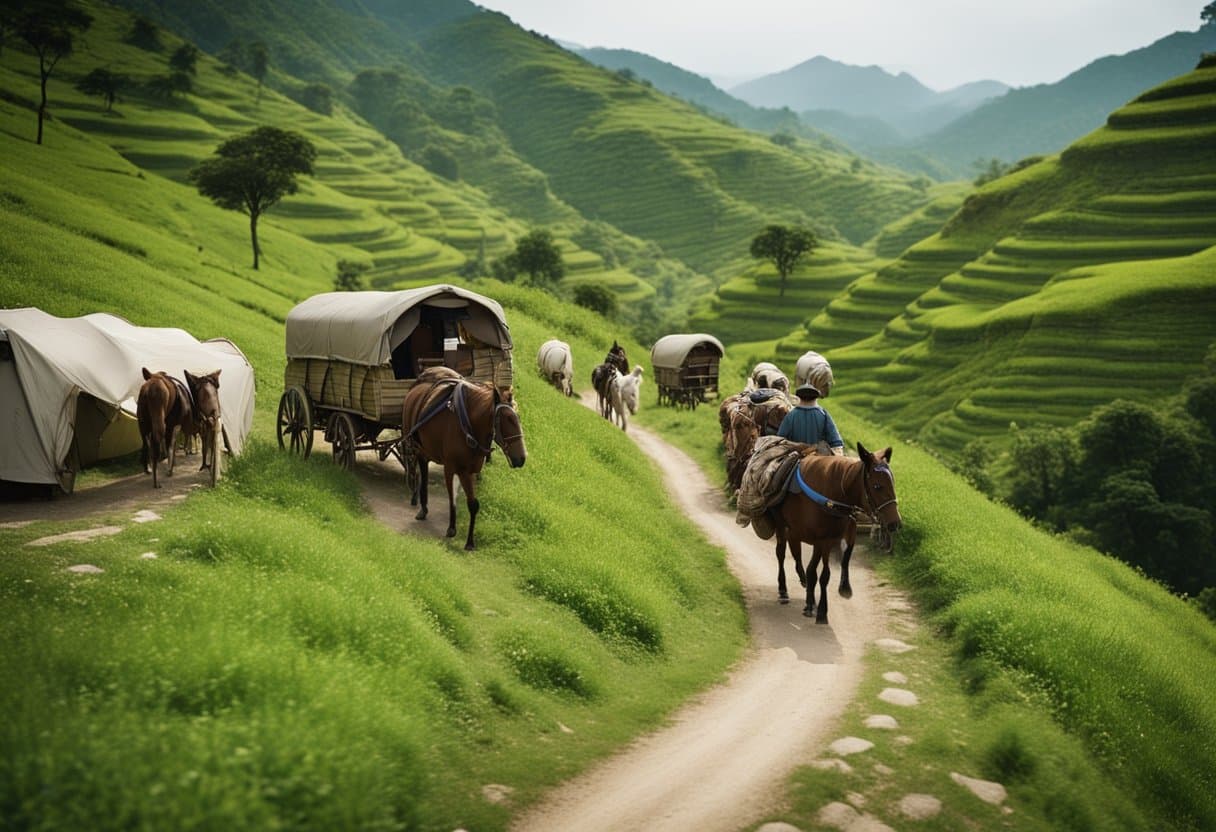
The Tea Horse Road: Last Memories of the Caravans
Following thousand-year-old hoof prints into the Hengduan Mo
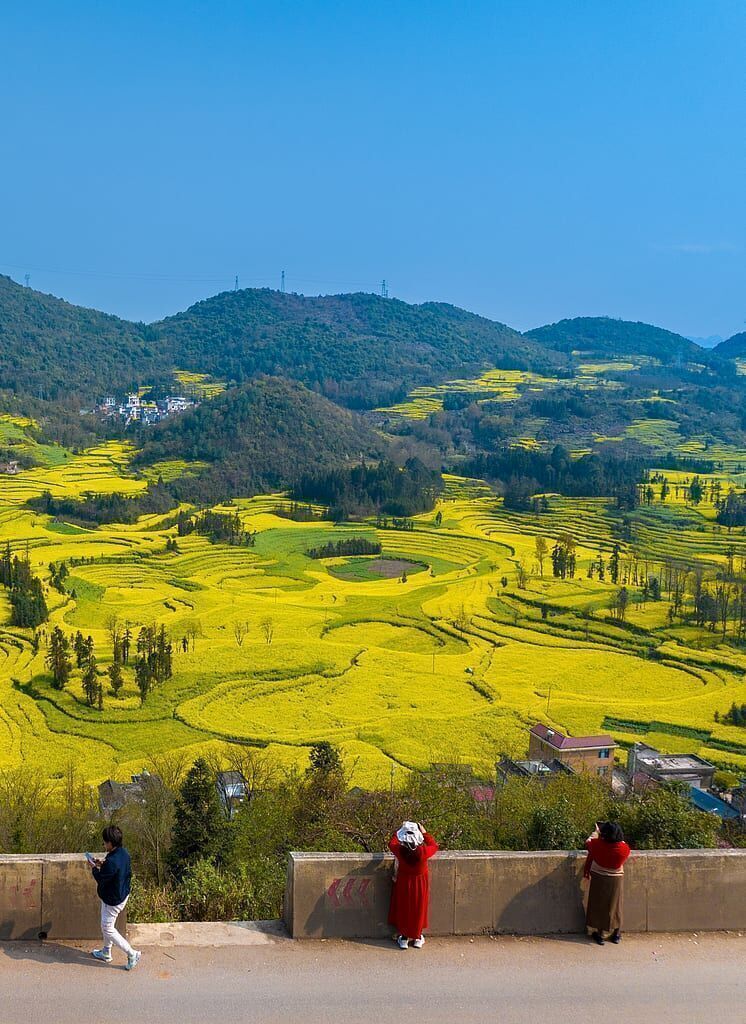
Qujing: Summer Healing at the Source of the Pearl River
Year-round 15°C coolness, the pure source of the Pearl River
Lijiang: A Summer Retreat in the Naxi Kingdom
Coolness at 2,400 meters, the mystery of Naxi Dongba culture