
In Puzhehei's rainy season, time is softened by rain, and the wooden houses and lake breathe in shades of gray and green. A bowl of lotus soup, a bamboo screen, meet the completeness of Eastern wabi-sabi amidst imperfection and dampness.
Arriving in Puzhehei during the rainy season is a liberation from time. The sunlight filtering through bamboo curtains is like a faint inkblot on a gray and white rice paper. The sound of rain beating against the banana leaves outside the earthen walls is muffled by the moist air, like the dull creak of an old wooden door hinge. The room for my stay requires little adornment—the rough texture of the yellow earth walls is embedded with bits of straw, and the warmth of the earth can be felt through the touch; the wooden floor, soaked by moisture, turns black, and the coolness spreads up the ankles and to the knees when barefoot, a memory of the rainy season.
In the morning, the mist from the lake seeps into the windowsill, indistinguishable whether it is fog or rain droplets. Holding an oil-paper umbrella, I walk to the water's edge, where the willow branches hang heavy with dew, each drop reflecting the shadow of the dark green mountains. The withered leaves of the solitary lotus in the lake hold积水, and when the wind tilts, the water splashes, the leaf sways twice and then stills—this is the lesson of wabi-sabi in perceiving decay: there is vitality in the imperfect. A small boat is moored by the shore, its bottom collecting a few inches of rainwater, reflecting the leaden sky; a few fallen petals float on top, slowly rotating.
Sound here has a texture. The raindrops sound crisp "taps" on newly laid cobblestones, dull "plops" on earthen pots, and hollow "thuds" on the lake's center. With nothing to do in the afternoon, I sit under the eaves listening to the rain, watching a drop of water slip down the roof tiles, suspended for half a second, then falling, shattering on the blue bricks, becoming smaller droplets. This repetition can pass half an hour. The kitchen brings the scent of slightly charred firewood, mixed with the fragrance of ginger and lotus leaves—the landlady aunt wrapped crucian carp in lotus leaves and simmered it over a slow fire for an entire morning. When the pot lid is lifted, the white steam envelops the fresh lotus fragrance, the soup clear and transparent, a few grains of new rice settled at the bottom, some bursting open and others whole, like the varying ripples on the lake's surface after the rain.
As evening falls and the rain briefly ceases, a faint golden light leaks through the sky. The puddles on the ground reflect distorted shadows of the clouds, and light spots jump onto the table through the bamboo curtains, illuminating a coarse earthen cup with a chip. The cup's corner is chipped, and when hot tea is poured in, the water flows slightly altered at the gap, emitting a faint "sizzle." It is this chip that gives the act of drinking tea a memory. In the twilight, a neighbor brings over a dish of dried Sichuan peppercorns, the purple-red grains emitting a pungent scent in the bamboo strips, mixed with the musty scent of the rainy season, creating a taste similar to dried tangerine peel. Pinching a few grains into the cooking pot, the oil sizzles, bringing the entire room to life.
At night, the rain becomes dense again. Lying in bed, I listen to the rain weaving a net above the wooden attic. The lake surface ripples with fine waves, without the moon, but the water glistens with distant lights breaking on its surface. The bedding is damp, but sleep is heavy. In a daze, I feel myself growing into a reed, swaying to the rhythm of the rain. In my dream, there is the sound of bamboo shoots pushing through the ground, crisp yet faint. Awakening, the rain continues, and I can barely tell if it is dusk or dawn. The end of my stay is not the end of the scenery, but immersing oneself in a certain rhythm, like a black earthen pot slowly absorbing water in the rain, its surface transitioning from dry to moist, silently. What Puzhehei's rainy season teaches me may be the acceptance of moisture, imperfection, and slowness—nothing needs to be perfect, and the sun will always wait with a few more drops of moisture.
On the day of departure, the sky broke open, and the rain stopped. In the morning light, the old, damp wood, earth, and lotus leaves all shone with a warm, subtle glow. That was enough.

Share Your Thoughts
Have you ever experienced a farm stay in China? Share your thoughts in the comments below!
Join the Discussion →Ready for a stay?
Pugui Mountain Retreat — wabi-sabi living at 22°C.
Related Reading
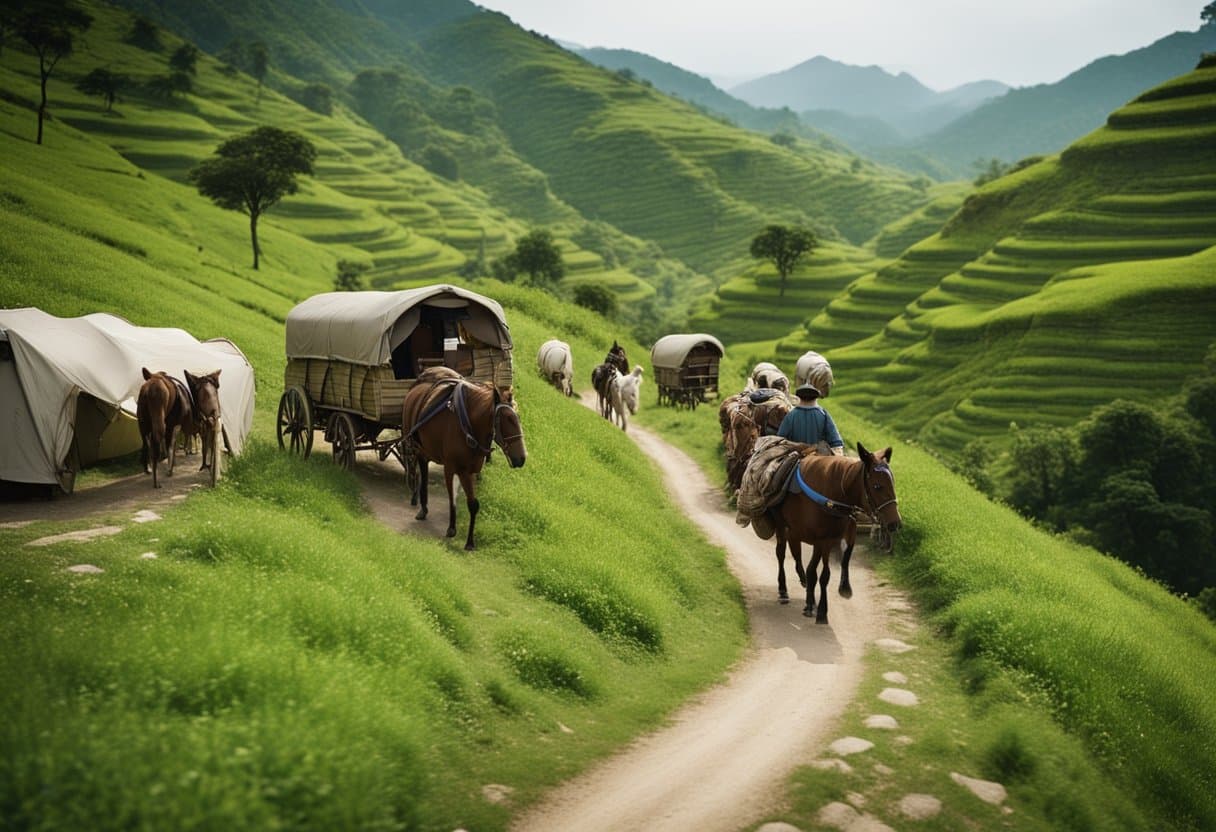
The Tea Horse Road: Last Memories of the Caravans
Following thousand-year-old hoof prints into the Hengduan Mo
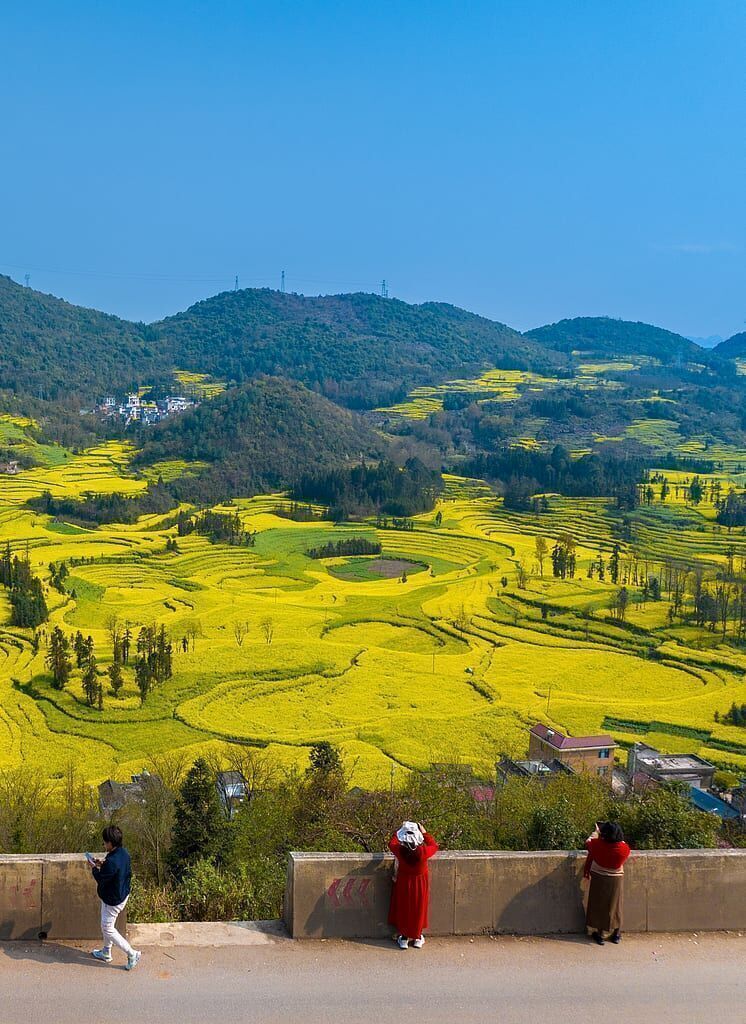
Qujing: Summer Healing at the Source of the Pearl River
Year-round 15°C coolness, the pure source of the Pearl River
Lijiang: A Summer Retreat in the Naxi Kingdom
Coolness at 2,400 meters, the mystery of Naxi Dongba culture