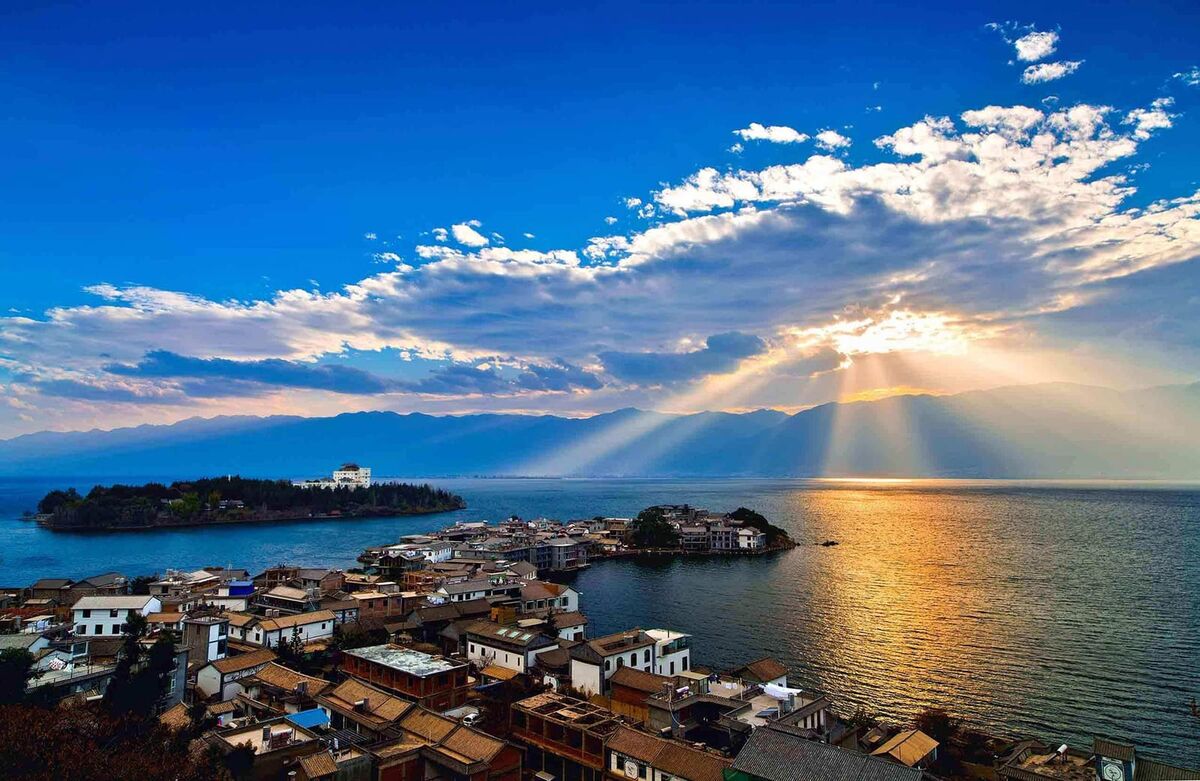
Cangshan as your screen, Erhai as your mirror. Learn the millennia-old Bai tie-dye craft by the rice paddies of Xizhou.
Dali may be China's most digital nomad-friendly city.
Cangshan's nineteen peaks form an emerald screen, and Erhai Lake is a mirror that never stills. Open your window at dawn: sunlight rises behind Cangshan, casting a golden path across the lake. With a cup of Yunnan arabica and your laptop — productivity doubles.
In Xizhou Ancient Town, the Bai courtyard houses stun with their architectural grace. At the Lanxu tie-dye workshop, a Bai grandmother teaches you to fold and stitch cotton cloth, then dip it into fermented indigo. The moment the cloth hits the air, the indigo oxidizes into blue — a color no chemical dye can replicate.
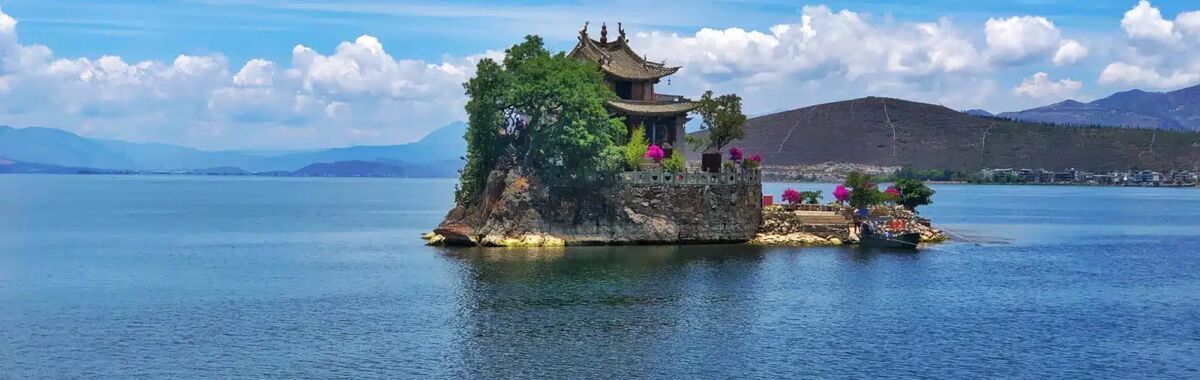
Afternoons, cycle around Erhai past Shuanglang and Wase, through unnamed Bai fishing villages. At dusk, watch the sunset from Caicun Pier as the sky fades from orange to indigo, merging with the lake. Back in the ancient city, folk guitar drifts from a Renmin Road bar — another Dali, languid and free.
Dali makes you believe: life and work need not be opposites. Mountains, lakes, and code can coexist.

Share Your Thoughts
Have you ever experienced a farm stay in China? Share your thoughts in the comments below!
Join the Discussion →Ready for a stay?
Pugui Mountain Retreat — wabi-sabi living at 22°C.
Related Reading
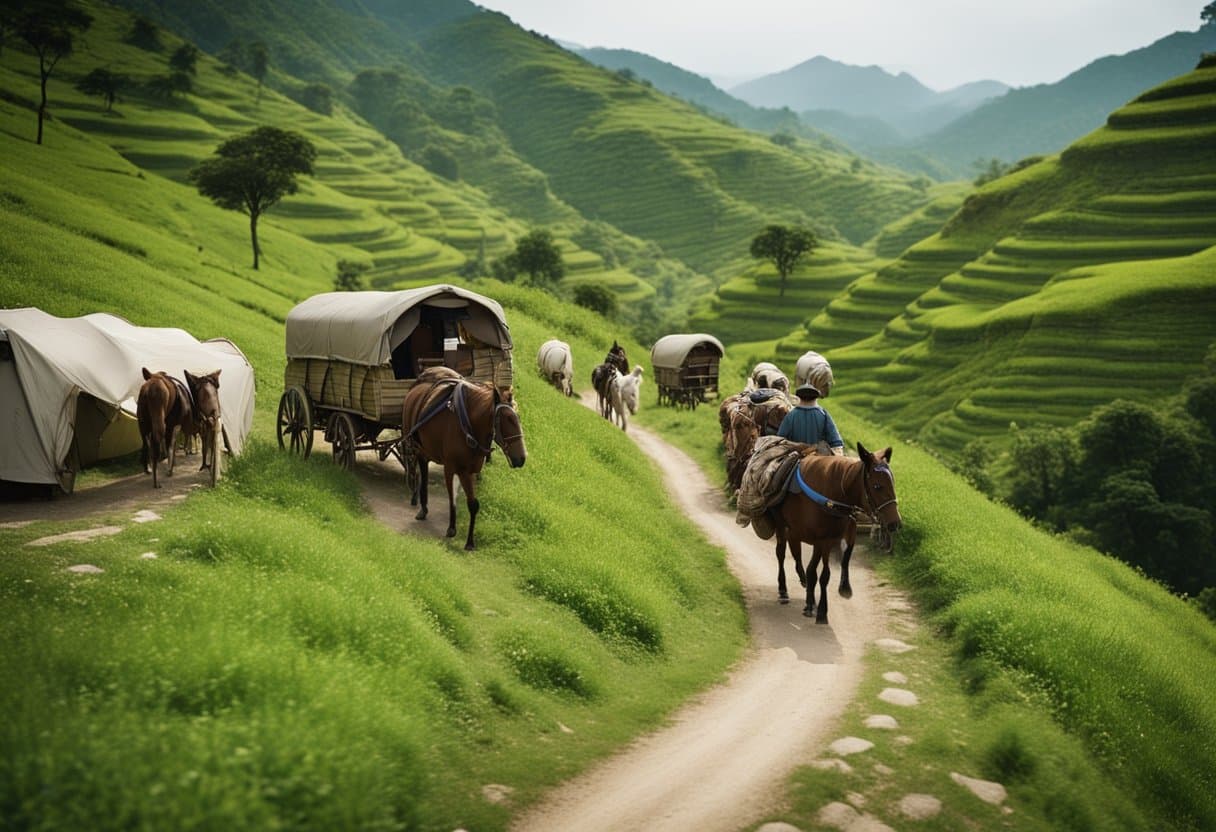
The Tea Horse Road: Last Memories of the Caravans
Following thousand-year-old hoof prints into the Hengduan Mo
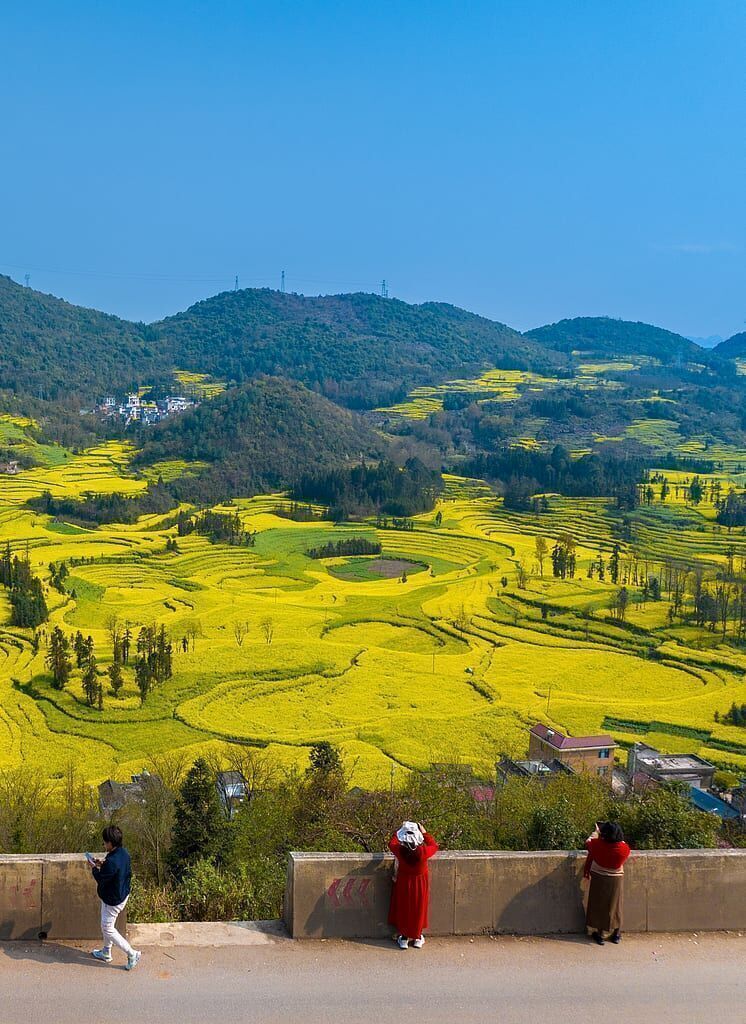
Qujing: Summer Healing at the Source of the Pearl River
Year-round 15°C coolness, the pure source of the Pearl River
Lijiang: A Summer Retreat in the Naxi Kingdom
Coolness at 2,400 meters, the mystery of Naxi Dongba culture