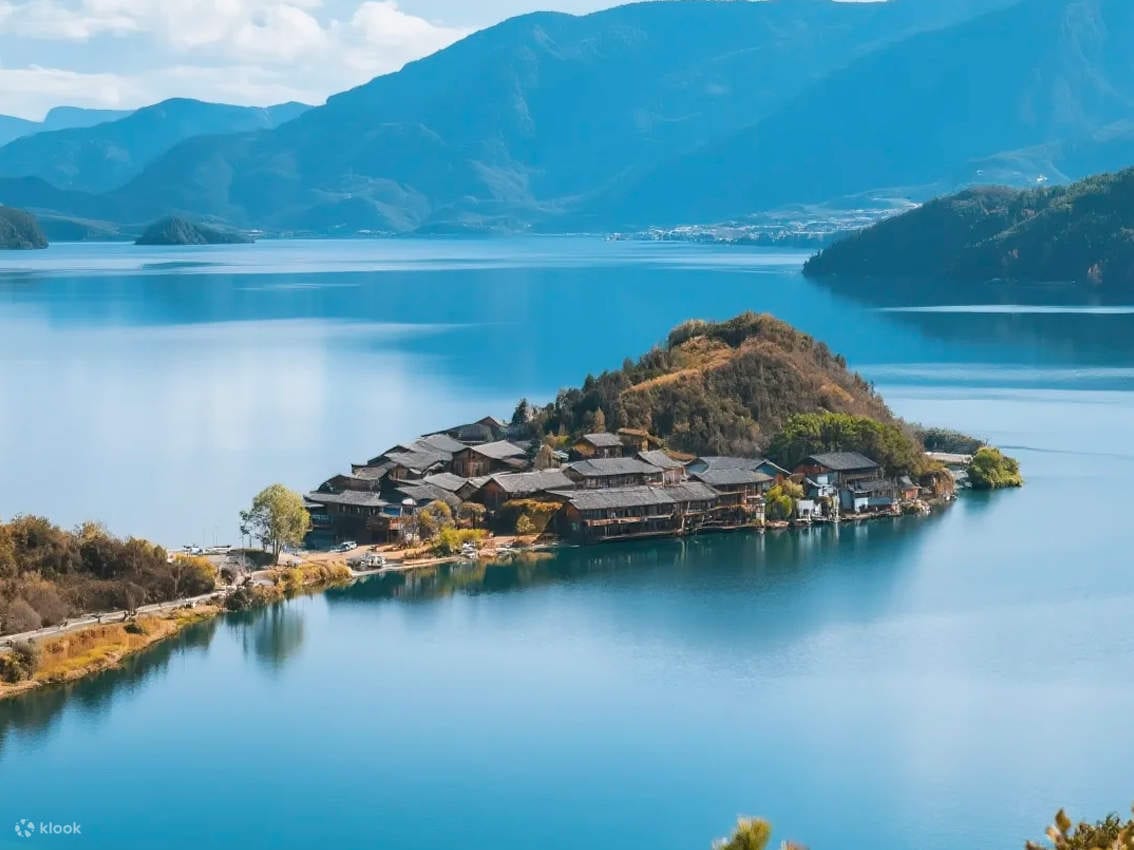
In the afternoon at an altitude of 1,800 meters, rain falls in the ravine, and a pot of tea simmers by the hearth. There are no must-visit landscapes here, only an old courtyard that breathes—settling in at Shengguantun is returning days to the body.
In the Dog Days, the average temperature here hovers around twenty degrees, necessitating a thin cotton quilt at night. The wind, descending from the mountain pass, sweeps through walnut trees and cornfields, carrying the earthy scent of damp soil, the freshness of grass, and a hint of the warmth from dried cow dung. Afternoons often bring sudden thunderstorms, arriving and departing swiftly, with water streaming down the tiles and the eaves dripping in a steady, intermittent cascade.
When settling in, avoid choosing a new inn. Seek out a renovated earthen courtyard in the village: the walls, made of compacted loess, have a cool, granular texture when touched; the wooden beams, old pine, have been smoked to a honey hue, with the tiny wormholes letting in a thin line of light. The courtyard is paved with blue stone, moss growing between the cracks, and walking must be done slowly. The room doesn't need to be filled with lights—a brass wall lamp, a patch of unsmoothed white wall, an old wooden bed, and a straw mat are sufficient. The curtains are made of coarse hemp, filtering in a moving shade of beige light that shifts from the head of the bed to the threshold, marking the passage of a day.
At 5:40, the light slants into the hall, landing on a coarse earthen cup with an irregular glaze. Listen: the sound of the eaves, cicadas, distant cowbells, splitting wood, and brooms sweeping over stone. The night is so quiet that one can hear the soft crackling of charcoal in the hearth and one's own breath.
The food is all at the morning market. It closes at 7:30, offering thin bean paste with fried dough sticks, rice noodles topped with a spoonful of braised pork; at noon, there are mushrooms—hand-ruled, blue head, and chicken mushrooms, stir-fried with ham oil, with a strong, piercing aroma; by night, tea is roasted by the hearth, a pinch of Pu'er tea sizzling in an earthen pot, infused with water, bitter at first and sweet in the end, paired with a dish of plum wine, a few pickled garlic bulbs, and idle chatter with the landlord.
The ways of long-term living are straightforward: rent ranging from a thousand to two thousand yuan per month, negotiable for longer stays; bring a thin down jacket, a moisture-proof pad, and dry your sheets often; during the rainy season, have a pair of rubber boots, and don't skimp on common medicines. Go to the market every Wednesday to buy mushrooms, eggs, and an indescribable wild vegetable. Don't rush to plan your schedule—the best days are: the morning market, a nap, and in the evening, walking along the field embankment to the foot of the mountain, returning as the sky still holds a touch of purple. Austerity is not about being dilapidated, but about allowing time to leave its mark here, and about not needing to be beautiful.

Share Your Thoughts
Have you ever experienced a farm stay in China? Share your thoughts in the comments below!
Join the Discussion →Ready for a stay?
Pugui Mountain Retreat — wabi-sabi living at 22°C.
Related Reading
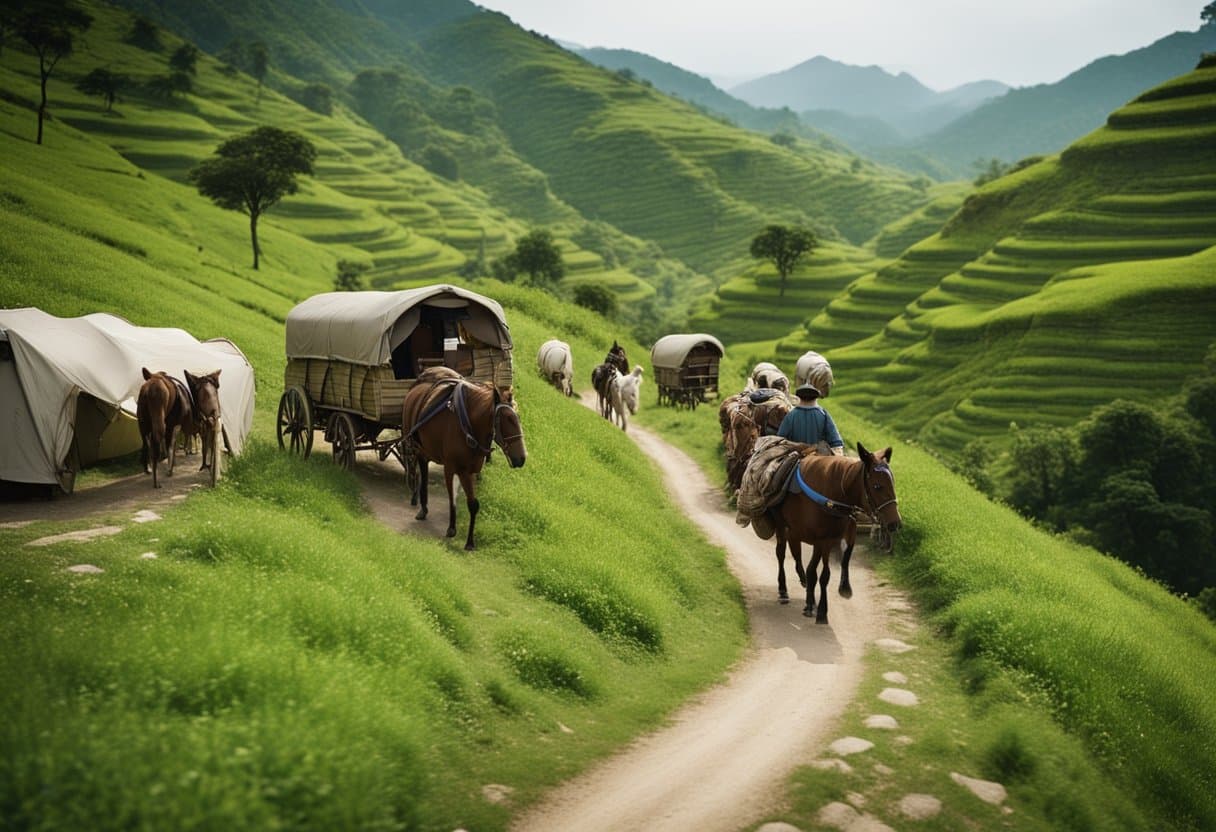
The Tea Horse Road: Last Memories of the Caravans
Following thousand-year-old hoof prints into the Hengduan Mo
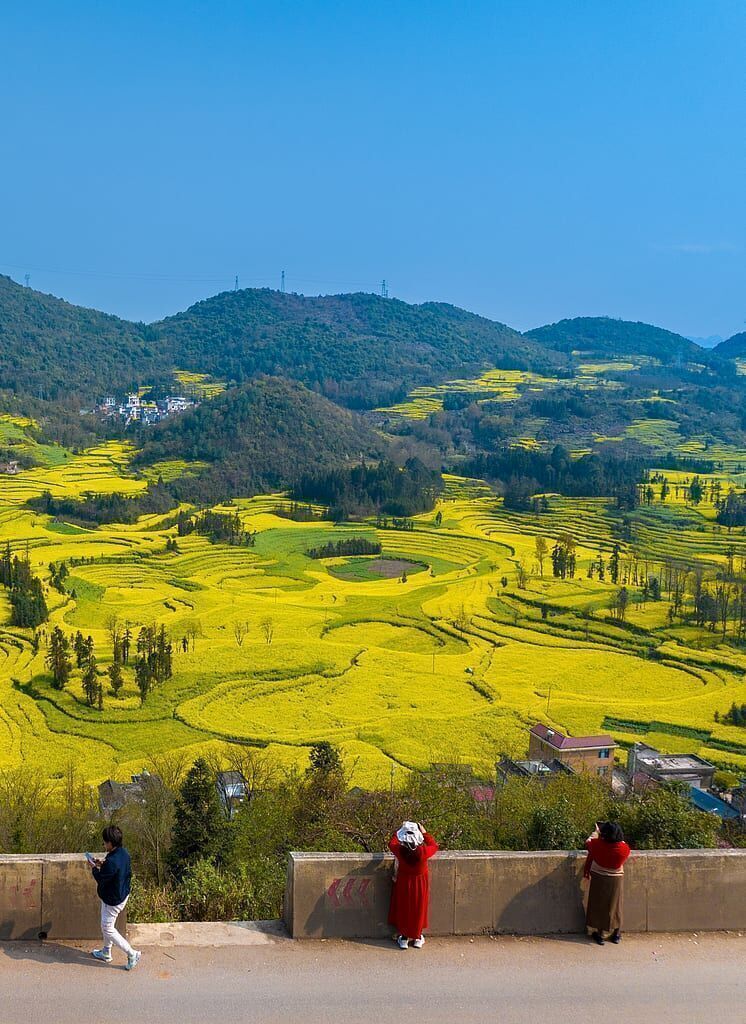
Qujing: Summer Healing at the Source of the Pearl River
Year-round 15°C coolness, the pure source of the Pearl River
Lijiang: A Summer Retreat in the Naxi Kingdom
Coolness at 2,400 meters, the mystery of Naxi Dongba culture