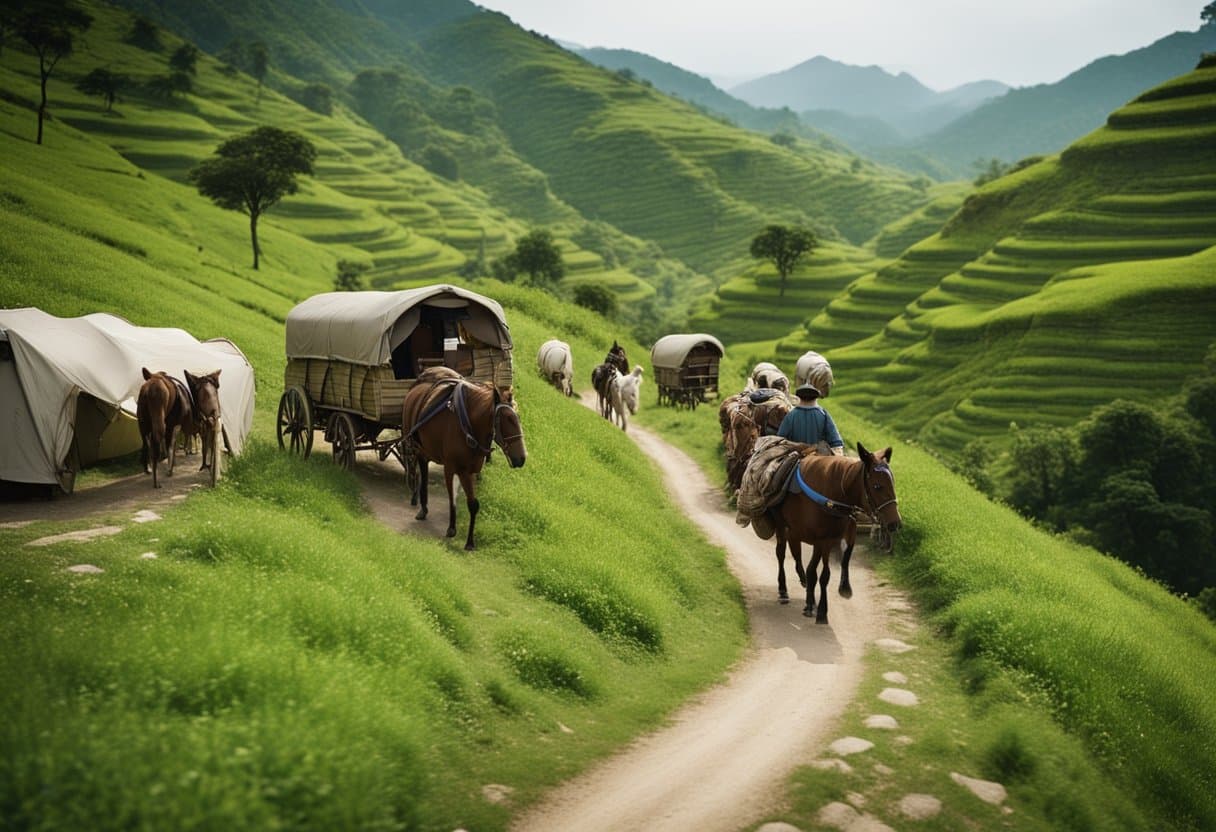
The tranquility of the rainy season is an enduring dialogue between time and water. Between moss and wood grain, wabi-sabi is not a concept but a breath.
Arriving in Heishun during the rainy season is to keep an ancient appointment. The daylight is pressed low by the clouds, falling into the crevices of volcanic stone walls, seeping out a damp, grayish hue. The ancient town does not hurry to awaken; moisture condenses into beads on the green tiles, dripping along the eaves,敲击在石板凹处,like the sound of irregular wooden fish bowls—it is the morning bell of this abode.
The door of the residence is made of old pear wood, emitting a dry, melancholic hum as it is pushed open. The hinges are overlaid with rust and wear, revealing the patina of a hundred rainy seasons. Entering barefoot, the tatami straw mats are cool and smooth, the weave of which still retains the scent of yesterday's roasted rice. The bamboo curtains hang low, filtering in light that is thinned by the rain, creating a diffused glow on the ground. In front of the table sits a coarse earthenware cup, the fingerprints of hand-pulling visible, its凹凸里 filled with tea stains and moonlight, now brimming with freshly picked wild tea, the broth like amber, yet not quite amber—it carries the briny sweetness and woodiness of the setting sun sinking into a swamp.
In the afternoon, as the rain subsides slightly, the iron teapot on the charcoal stove pants. When the sky and the water blend into one color, the sound of beating clothes echoes from a laundry pavilion half a mile away, muffled and becoming like fluff through the water screen. In the courtyard, moss grows wildly, clinging to the green stone steps, oozing out a patch of ink-black felt from the cracks. Squatting to touch it, the moss is cool and moist, the tips of my fingers sticking to spore powder, as if touching the softened bone of time. The banana leaves cannot hold the rain, and suddenly collapse, making a loud splash, startling a gecko at the base of the wall, which scurries into the depths of the vines.
In the evening, I go to the small food stall at the town entrance for thin bean paste. The landlady is boiling it in the kitchen, the scent of green peas merging with the steam, satisfying and coarse. The wooden table is shiny, the paint peeling to reveal the original wood grain. The paste is served in a wide-rimmed coarse porcelain bowl, its warm, yellow liquid floating with a few peanuts and green coriander, mixed with a spoon of red chili oil, the heat and slipperiness colliding in the mouth, leaving a faintly bitter smokiness in the aftertaste—it is the carbon quenching accumulated at the bottom of the pot over the years. Outside, wild ducks wade through the puddles, leaving long ripples behind, only to be pierced by raindrops in an instant.
As night falls and the guests disperse, the ground is left with wet marks. I lean against the door frame, watching the dim lantern light illuminate the mist, like flying dust suspended, or like the thin veil of tears condensed by mermaids. The rain grows denser, weaving a cradle-like rhythm. The old wood floor stretches its bones in the humidity, emitting a very light click. That moment, I remember what Kansai Haruki wrote: "What is called sabi, is only after surrendering to time, one gains composure." The rainy season in Heishun does not hurry people, but rather, with each drop of water, each patch of moss, each worn wood grain, it saturates the present moment, letting you know—that decay itself is a kind of abundance.
Lying down after turning off the lights, I listen to the rain striking the tiles and the paulownia leaves, singing different notes, sleepless yet as if in a deep slumber. Heishun breathes slowly, gradually synchronizing with your pulse, until it becomes indistinguishable whether it is the rain falling on this ancient town, or the entire town descending into the rain.

Share Your Thoughts
Have you ever experienced a farm stay in China? Share your thoughts in the comments below!
Join the Discussion →Ready for a stay?
Pugui Mountain Retreat — wabi-sabi living at 22°C.
Related Reading
Shengguantun: Reuniting with Myself in the Serenity of Wilderness Luxury
In the depths of Yunnan Plateau's folds, Shengguantun offers
Pearl River Head · The Silent Place
Amidst the mist at the source of the Pearl River and the rus
Journey Diary in the Rainy Season of Lake Fuxian: Solitude in the Mist
The Lugu Lake in the rainy season is not the iridescent blue