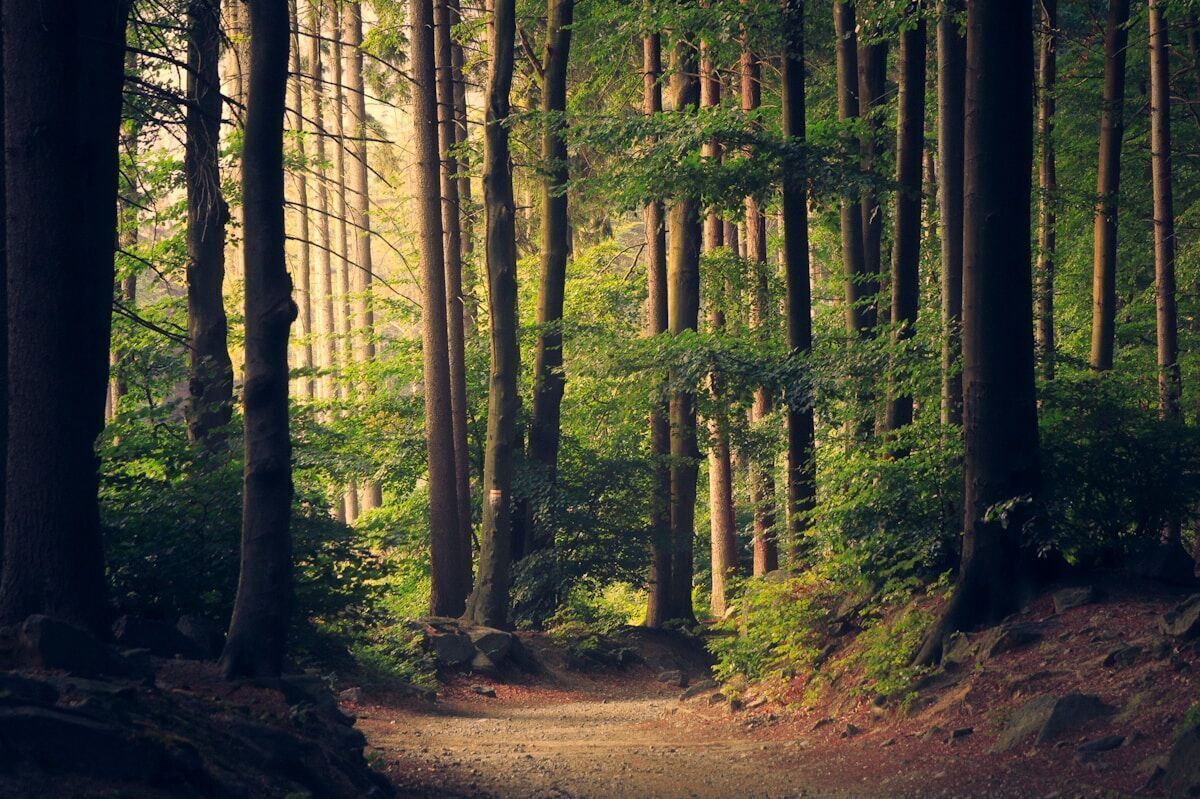
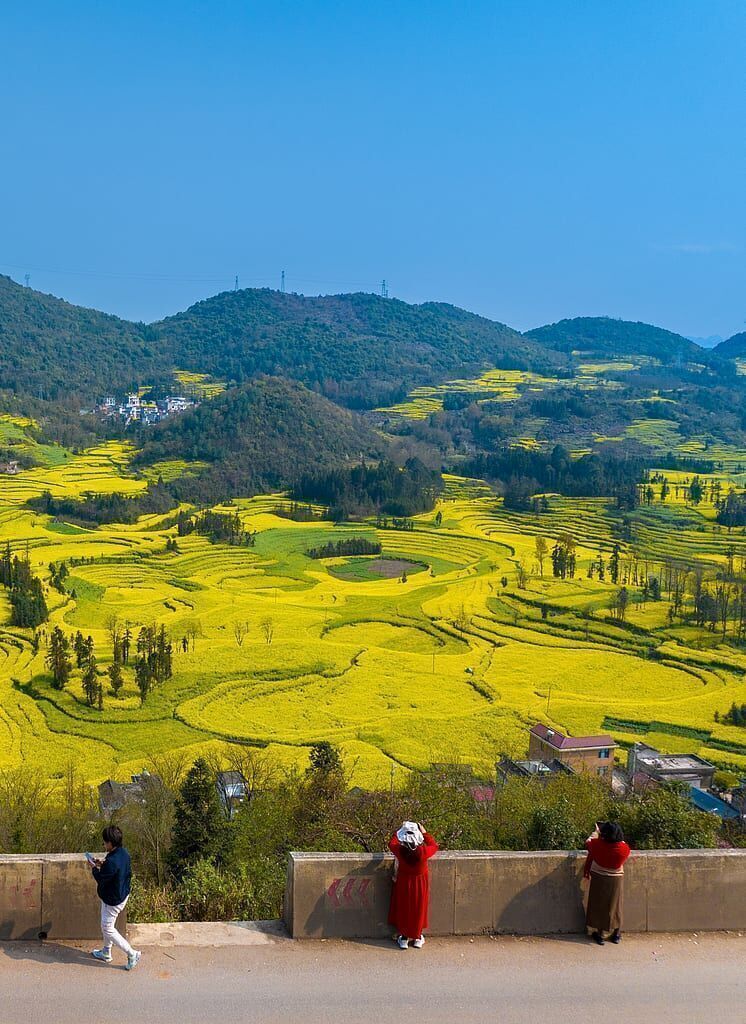
Nestled in the lush hills of Yunnan, China, Shengguantun is a tranquil haven that whispers tales of ancient culture. Joi
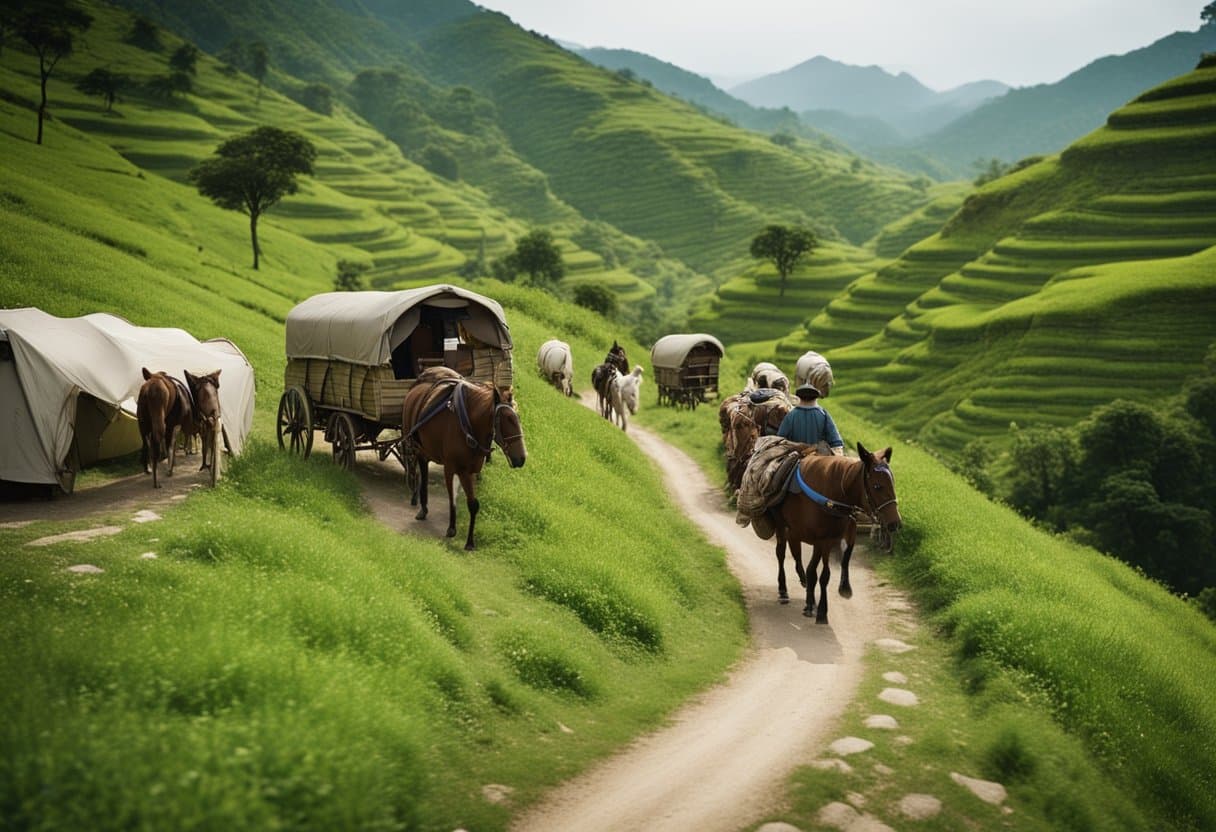
Imagine stepping through the creaking gates of Shengguantun, a village that feels like a time capsule frozen in the 1930s. The air is thick with the scent of jasmine, mingling with the earthy aroma of tea leaves drying in the sun. The path leading through the village is lined with stone lanterns, casting soft, flickering light that dances on the cobblestones below. It's a scene that speaks to the senses, inviting you to slow down and embrace the simplicity of life in this corner of Yunnan. The buildings here are a testament to the region's history, their weathered wood and gray stone walls housing stories of generations past. The materials are organic, the light is natural, and the sounds are a symphony of rustling leaves and distant laughter. There's a palpable sense of calm that envelops you as you wander through the narrow alleys, each step more serene than the last. One of the first places I visited was the local tea plantation. The tea leaves, a deep green, glistened in the sunlight, their vibrant color a stark contrast to the soft, earthy hues of the surroundings. The tea master demonstrated the art of tea-making, his hands moving with a grace that belied the simplicity of the process. The tea itself was a delight, its aroma rich and complex, and its taste, a perfect balance of bitterness and sweetness. As I walked further into the village, I encountered a small, family-run restaurant. The wooden tables were adorned with simple yet elegant dishes, each one a masterpiece of flavor. The pork belly, glazed with a soy reduction, was tender and juicy, while the pickled vegetables added a refreshing crunch. The food here is a celebration of local ingredients, each dish a testament to the region's culinary heritage. The architecture of Shengguantun is another highlight. The buildings are constructed with local materials, the walls made from mud and bamboo, the roofs from thatched tiles. This not only contributes to the village's unique aesthetic but also to its sustainability. The buildings are a blend of traditional Chinese design and Western minimalism, creating a harmonious balance that is both visually appealing and functional. As the day waned, I found myself in the local temple, a serene space filled with the soft hum of prayer beads and the gentle glow of incense. The temple's stone floors were cool underfoot, and the wooden structure creaked softly as I moved through the space. It was a place for reflection, a moment to connect with the spiritual essence of the village. Shengguantun is not just a destination; it's an experience. It's a place where time seems to stand still, where the past is woven seamlessly into the present. It's a place where wabi-sabi meets Western minimalism, creating a unique and enchanting atmosphere that leaves a lasting impression on all who visit. If you ever find yourself in Yunnan, do yourself a favor and venture to Shengguantun. It's a journey you won't soon forget.

读过之后,想来住几天吗?
朴归山居 · 云南升官屯 — 22°C 的东方侘寂旅居。
相关阅读
The Quiet Luxury of Yunnan: Where Wabi-sabi Meets Western Minimalism(云南旅居)
Beyond the crowds of Dali, a hidden valley in Yunnan unfolds
Yunnan's Hidden Glamping Paradise: Where Wabi-Sabi Meets Western Minimalism(云南旅居)
Among Yunnan's mist-wrapped mountains, a new breed of wilder
Wabi-Sabi and the Wired Life: A Digital Nomad's Yunnan(云南旅居)
In the mist-wrapped mountains of Yunnan, ancient Chinese imp