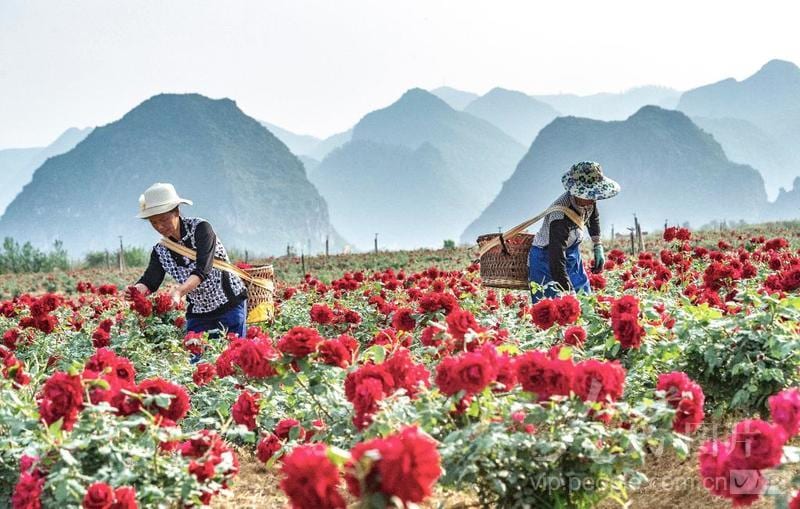
Where geothermal mist meets quiet design—a slow luxury hideaway in Yunnan’s mountains, blending wabi-sabi imperfection w
At a fold in the Hengduan Mountains, where pine forests exhale cool mist and geothermal steam rises from the valley floor, the retreat begins with a stone path that curves away from the road. No grand entrance—only a low wall of rammed earth and a wooden gate the color of aged bark. Inside, Western minimalism has been softened into something older, more patient: polished concrete floors buttressed by rough travertine walls, a blackened timber ceiling with visible joints, and a single vase of dried wild grass on a reclaimed elm table.
Your room is a study in deliberate emptiness. Walls are lime-plastered in a warm, chalky off-white, still bearing the trowel’s uneven whisper. The bed is low, built from a slab of local walnut, dressed in hand-washed linen the shade of buckwheat honey. A floor-to-ceiling window frames a private courtyard with a stone soaking tub, carved from a single block of basalt. The water pours from a bamboo spout, not a polished faucet—clear, sulfur-tinged, drifting with steam. You lower yourself in, and the mineral heat works into muscles you forgot you had.
Morning arrives without alarm. Mist pools in the valley like leftover milk in a clay cup. Light slants through a gap in the roof, illuminating dust motes and the faint green moss that has begun to creep across the garden stones. You hear only three sounds: a distant bell from a mountain temple, wind combing through Yunnan pine, and the occasional clank of a wooden ladle against a hot-spring egg basket in the kitchen.
Breakfast is a ceremony of patience. A ceramic tray arrives with congee topped with pickled mustard greens and shiitake jam, a soft-boiled egg from a black-boned chicken, and a small dish of wild honey from the cliffs. The pu-erh tea is poured from a dark yixing pot, its surface deepened by years of use. You drink it slowly, watching steam rise and fade—wabi-sabi in liquid form.
The afternoon invites you to do nothing. Walk to the bathhouse through a corridor of bamboo, where the floorboards creak with honest wear. The onsen inside is stark and cathedral-like: one deep pool of milky geothermal water beneath a high gable skylight, where rain, if it comes, falls in streaks across the glass. Towels are stacked in rough-hewn wooden cubbies; robes are heavy organic cotton, unbleached and fraying slightly at the cuffs. No music, no screens—only the echo of water dripping from stone to stone.
Dinner is a quiet meditation on the surrounding landscape. Wild mountain mushrooms are roasted over embers with salt and a thin thread of cold-pressed rapeseed oil. A clear soup of chicken and aged ham arrives in a hand-thrown black bowl, its glaze imperfectly pooled. Rose-petal jam is served with a dense wheat flatbread, and a single slice of cured pork belly, translucent as amber, melts on the tongue.
As darkness settles, the courtyard lamps ignite like small moons. You slip into the basalt tub again, this time under a sky thick with stars. The water is the same ancient rain that has traveled through volcanic rock for decades—mineral-rich, indifferent to your hurry. And that is the gift of this place: it asks nothing, completes nothing, leaves every edge slightly unfinished. Here, luxury is not polish. It is the quiet confidence of things that have aged well, and the grace to let them be.

读过之后,想来住几天吗?
朴归山居 · 云南升官屯 — 22°C 的东方侘寂旅居。
相关阅读
The Quiet Luxury of Yunnan: Where Wabi-sabi Meets Western Minimalism(云南旅居)
Beyond the crowds of Dali, a hidden valley in Yunnan unfolds
Yunnan's Hidden Glamping Paradise: Where Wabi-Sabi Meets Western Minimalism(云南旅居)
Among Yunnan's mist-wrapped mountains, a new breed of wilder
Wabi-Sabi and the Wired Life: A Digital Nomad's Yunnan(云南旅居)
In the mist-wrapped mountains of Yunnan, ancient Chinese imp