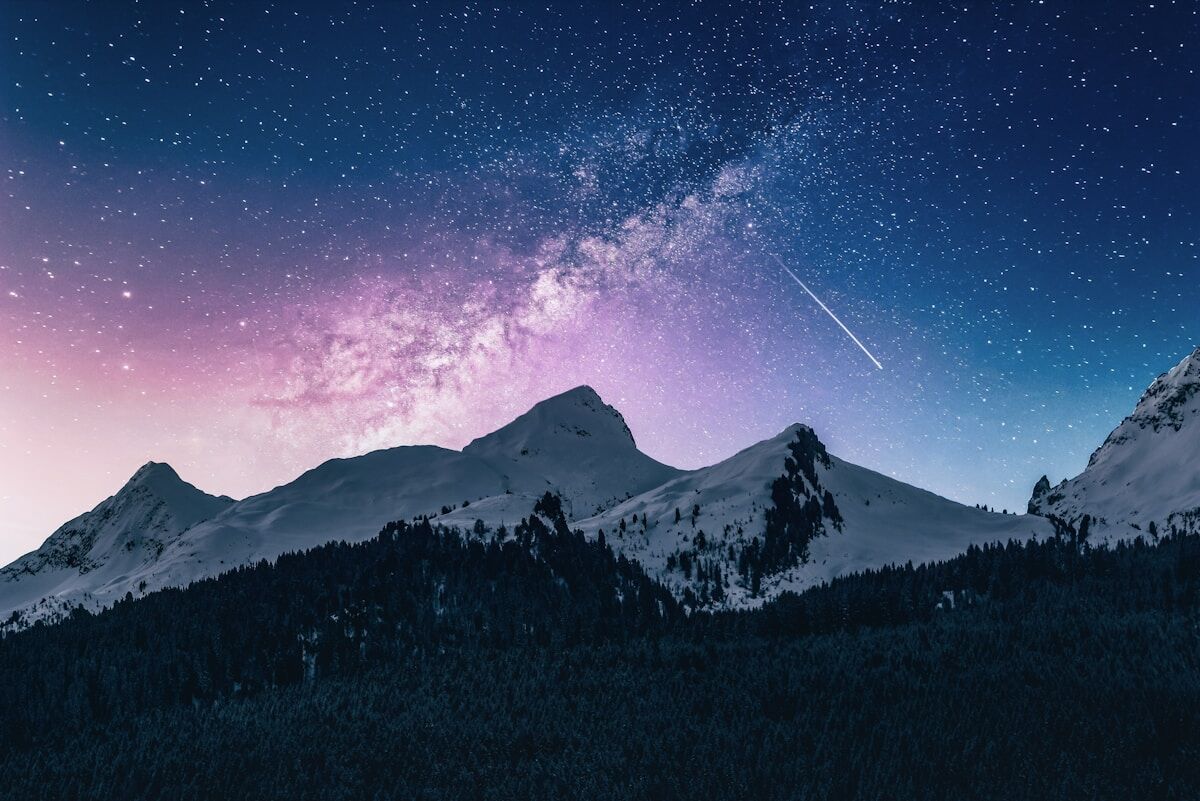
Where raw stone, high-altitude sun, and soft timber meet. An observant guide to finding a refined, unhurried second act
“The mountain doesn’t ask you to stay,” Master Chen remarked, setting down a cracked celadon cup of raw Pu'er tea. “It simply makes leaving feel like an error.”
Sitting on the sun-bleached verandah of a restored stone courtyard above Erhai Lake, his words captured what so many seek in their later years: an invitation to slow down without sacrificing comfort. Yunnan, with its thin air, vibrant light, and deep cultural layers, has quietly become Asia’s most compelling destination for high-end long-stay living and retirement.
Here, luxury is not defined by gilded lobbies or ostentatious service. It is found in raw slate, aged chestnut timber, floor-to-ceiling glass that frames mist-wrapped peaks, and the honest warmth of geothermal hot springs. For those seeking a serene, wabi-sabi approach to senior living, three distinct regions offer an ideal sanctuary.
### Dali & The Cangshan Foothills: Architectural Light and Lake Silence
Perched at 1,900 meters, the Cangshan mountain range creates a gentle microclimate that stays mild through winter. The finest retirement properties here are not inside the bustling ancient town, but tucked into the quiet villages along the mountain slopes—such as Xizhou or Bayi.
Modern boutique residences here masterfully blend traditional Bai ethnicity rammed-earth walls with clean, Western minimalist lines. High-grade double glazing keeps the interior quiet, while polished concrete floors trap the daytime solar heat.
*Practical note:* When choosing a residence in Dali, aim for properties positioned at least 100 meters above the lake line on the mountain slope. Lakeside homes suffer from heavy humidity and night dampness, whereas higher foothill locations enjoy crisp, dry air and unobstructed sun exposure. Ensure your home features a south-facing courtyard (*sanfang yizhaobi*) retrofitted with underfloor radiant heating for winter nights.
### Tengchong: Volcanic Mineral Healing
Farther west, near the Myanmar border, Tengchong rests upon an ancient volcanic bed. The town is famous for its evergreen pine forests, crisp highland air, and therapeutic natural hot springs. It offers a softer, more humid environment than Dali, making it particularly forgiving for joints and skin.
High-end living enclaves surrounding Heshun Ancient Town feature low-density villas constructed from dark volcanic basalt and pale pine. Days here revolve around gentle routines: morning walks through pine-needle trails, afternoon meals of hand-pulled noodles and fresh mountain fungi, and evening soaks in private thermal baths.
*Practical note:* Verify that your property’s thermal water source comes from direct, natural geothermal wells rather than reheated municipal water. Look for private outdoor soaking tubs carved from volcanic tuff rock, which naturally retains heat and releases trace minerals like silica and sulfur.
### Shaxi Valley: Authentic Highland Solitude
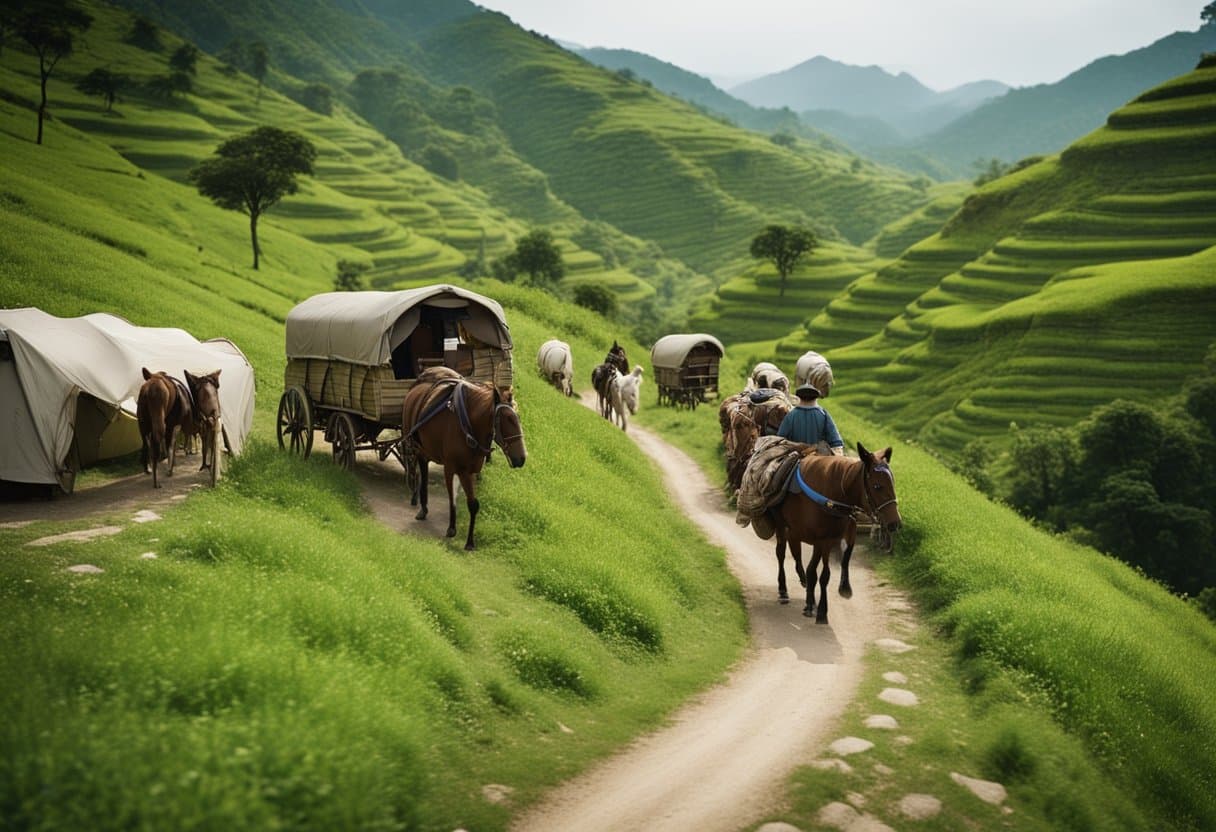
Halfway between Dali and Lijiang lies Shaxi, a quiet valley along the historical Tea Horse Road. If Dali is for cultural energy and Tengchong is for physical wellness, Shaxi is for deep, contemplative solitude.
Living in Shaxi feels like stepping outside of time. The architecture relies on heavy clay tiles, weathered timber posts, and coarse stone masonry. High-end long-stay spaces here are predominantly restored heritage compounds updated with hidden, modern climate controls and minimalist interiors.
*Practical note:* Shaxi winters are sunny but dry and frosty at dawn. Select a residence equipped with passive solar architecture and a sealed hearth or pellet stove. Long-term seasonal leases (six to twelve months) are often far more practical than purchasing property directly, allowing you the flexibility to move south to subtropical Xishuangbanna during the coldest weeks of January.
### The Rhythm of Daily Life
Retiring in Yunnan requires adapting to the slow pulse of the highlands. Food changes organically with the turning seasons: spring brings wild herbs and sour bamboo shoots; summer introduces rich, earthly boletus mushrooms fried with chili and rapeseed oil; autumn offers boiled chestnuts and local walnuts; and winter brings slow-simmered chicken soup cooked in unglazed clay pots.
Healthcare in major hubs like Kunming and Dali has modernized rapidly, with private wellness centers blending Western diagnostic medicine with traditional Dian-style herbal treatments.
To live well here is to appreciate the imperfect beauty of natural aging—both in oneself and in one's surroundings. It is a life measured not by schedules, but by the angle of the sun crossing a stone floor, the smell of damp earth after rain, and the warm comfort of a freshly poured cup of tea.
读过之后,想来住几天吗?
朴归山居 · 云南升官屯 — 22°C 的东方侘寂旅居。
相关阅读
The Quiet Luxury of Yunnan: Where Wabi-sabi Meets Western Minimalism(云南旅居)
Beyond the crowds of Dali, a hidden valley in Yunnan unfolds
Yunnan's Hidden Glamping Paradise: Where Wabi-Sabi Meets Western Minimalism(云南旅居)
Among Yunnan's mist-wrapped mountains, a new breed of wilder
Wabi-Sabi and the Wired Life: A Digital Nomad's Yunnan(云南旅居)
In the mist-wrapped mountains of Yunnan, ancient Chinese imp