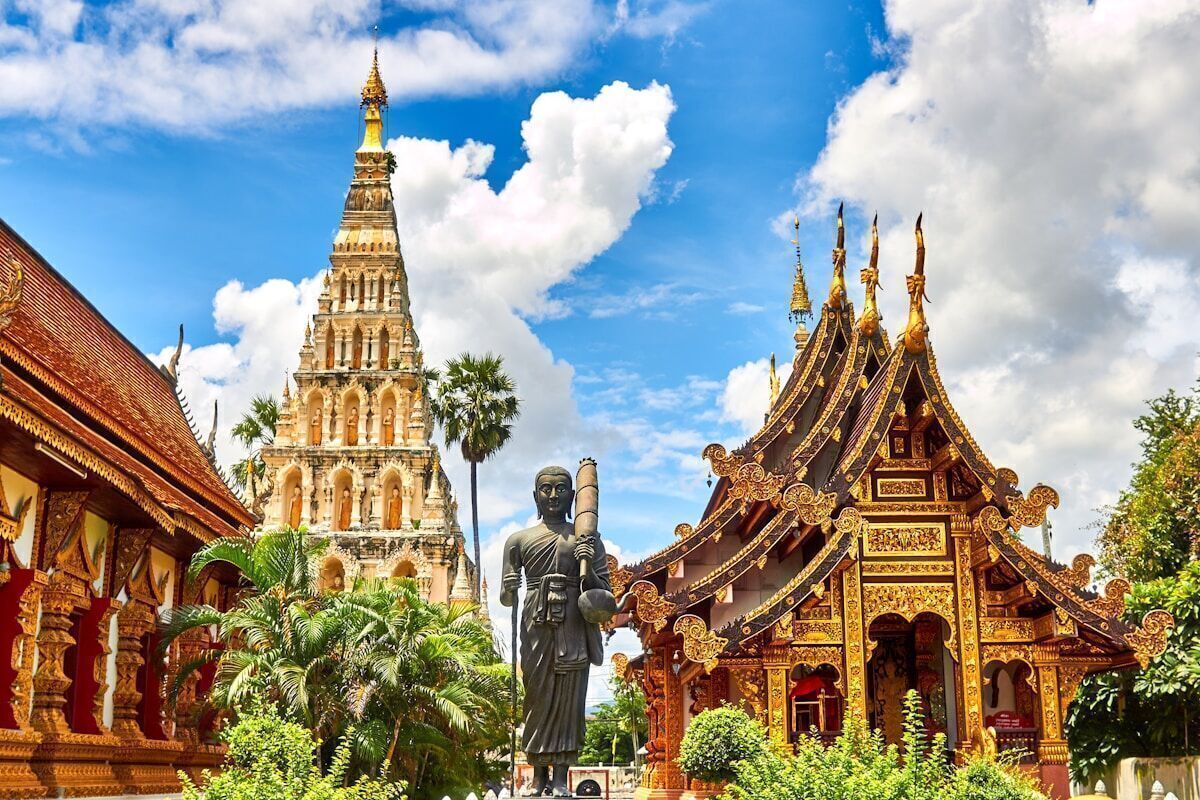
Nestled in the heart of Yunnan, Shengguantun offers a unique fusion of wabi-sabi and Western minimalism, creating an imm
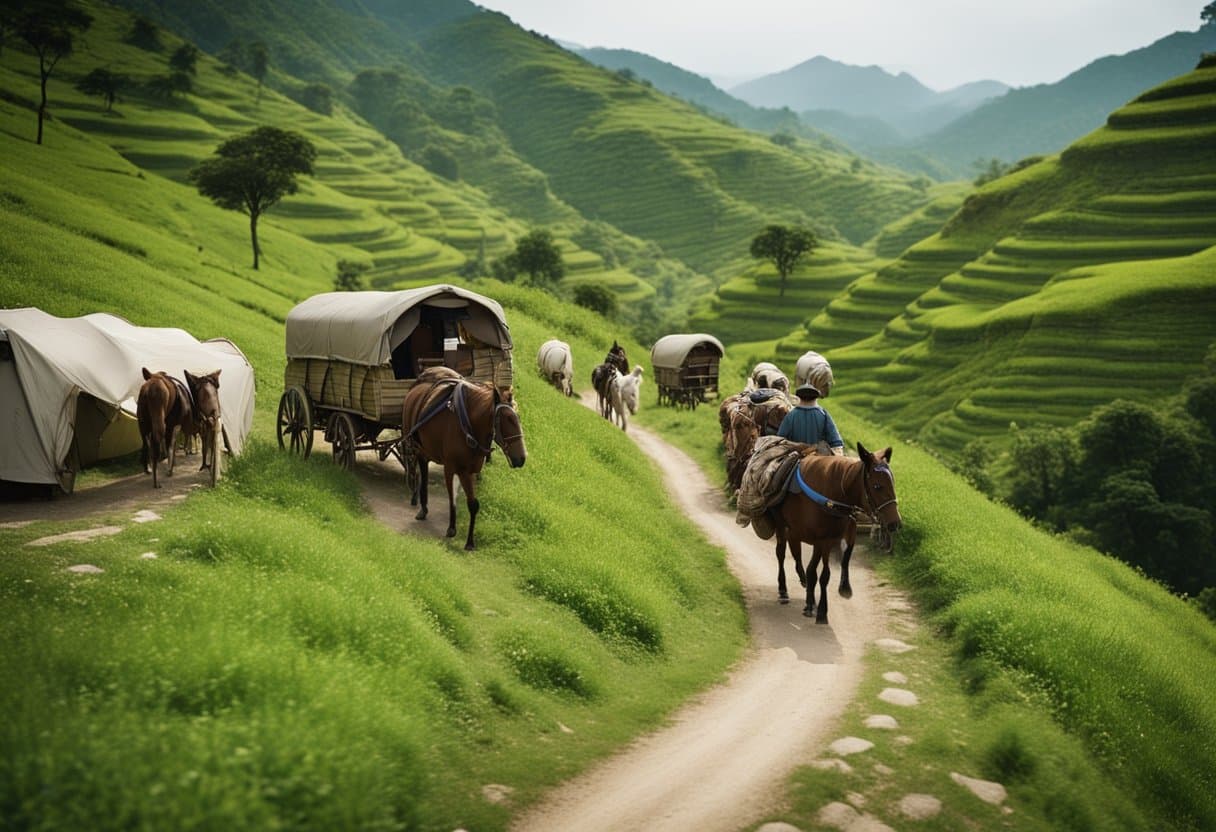
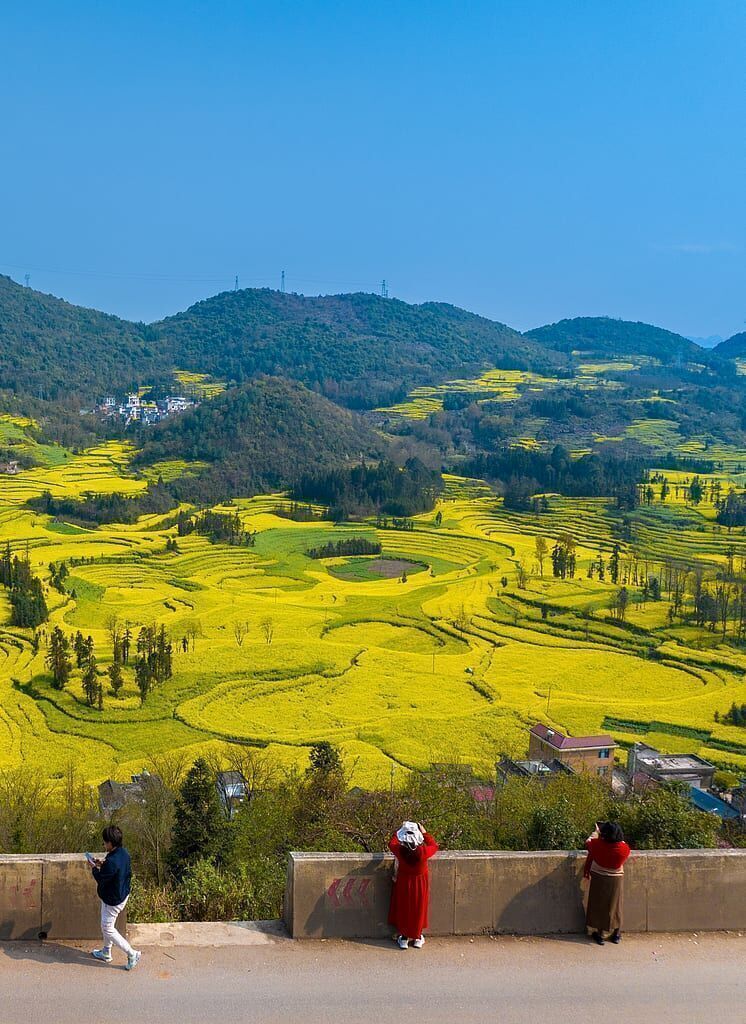
In the quiet village of Shengguantun, nestled among the misty hills of Yunnan, China, time seems to stand still. A fusion of wabi-sabi—a Japanese aesthetic that celebrates imperfection and impermanence—and Western minimalism has woven a tapestry of serene beauty that captivates every visitor. As I sat on the edge of a stone bench, the moment I stepped into this sanctuary of simplicity, I knew I had found a place where tranquility and timelessness converge. The sun was low, casting a warm, golden glow through the ancient oaks and pines that dotted the landscape. The light danced through the branches, creating a mosaic of light and shadow that seemed to tell stories of the past. The air was filled with the subtle sounds of nature—chatter of distant birds, rustling leaves, and the occasional hum of insects. It was a symphony of life, played in the language of the earth itself. The materials of Shengguantun are as varied as they are enduring. The stone paths that wind through the village are worn smooth by centuries of footsteps, each crevice and groove a testament to the passage of time. The traditional Naxi-style wooden houses, with their thatched roofs, exude a rustic charm that is both inviting and grounding. The textures are rich and varied, from the smooth stone to the rough bark of the ancient trees, each one inviting touch and touch evoking a memory. The simplicity of the village extends to the food, a staple of this wabi-sabi experience. Noodles, steamed buns, and spicy dishes are served with a minimalistic grace, each bite a symphony of flavors that dance on the palate. The ingredients are fresh and local, the preparation a reflection of the village's ethos. There is no excess, no unnecessary flourish—just pure, unadulterated taste, a testament to the essence of the land. In the heart of Shengguantun, a small tea house stands as a beacon of tranquility. The air is filled with the scent of freshly brewed tea, a fragrant aroma that seems to envelop the entire village. The tea is served in simple, unglazed ceramic bowls, their rough texture contrasting with the smoothness of the tea within. The act of sipping the tea is a ritual, a moment of pause amidst the hustle and bustle of life, a chance to reconnect with oneself and the world around. As I wandered through the village, I noticed a family of three, their small child playing by a stream. The child, with a mischievous grin, dipped his toes into the cool water, splashing his parents. The scene was simple, yet it was rich with emotion—love, joy, and a sense of belonging. It was a reminder that the core of wabi-sabi is not found in the grandeur of things, but in the everyday moments of life, captured in their pure, unadorned form. As the day drew to a close, I found myself drawn to the village's central square, where a group of local musicians played traditional instruments. The notes filled the air, a gentle melody that seemed to resonate with the very soul of the village. The sound was both familiar and foreign, a bridge between past and present, a reminder that in Shengguantun, the past is ever-present, and the future is a whisper away. In conclusion, Shengguantun is more than just a village; it is an experience, a journey through time and space that leaves an indelible mark on the soul. It is a place where wabi-sabi meets Western minimalism, creating an environment that is both serene and invigorating. In the quiet moments of Shengguantun, one finds the essence of life, captured in its simplicity and imperfection, a reminder that beauty is found not in what is perfect, but in what is real.

读过之后,想来住几天吗?
朴归山居 · 云南升官屯 — 22°C 的东方侘寂旅居。
相关阅读
The Quiet Luxury of Yunnan: Where Wabi-sabi Meets Western Minimalism(云南旅居)
Beyond the crowds of Dali, a hidden valley in Yunnan unfolds
Yunnan's Hidden Glamping Paradise: Where Wabi-Sabi Meets Western Minimalism(云南旅居)
Among Yunnan's mist-wrapped mountains, a new breed of wilder
Wabi-Sabi and the Wired Life: A Digital Nomad's Yunnan(云南旅居)
In the mist-wrapped mountains of Yunnan, ancient Chinese imp