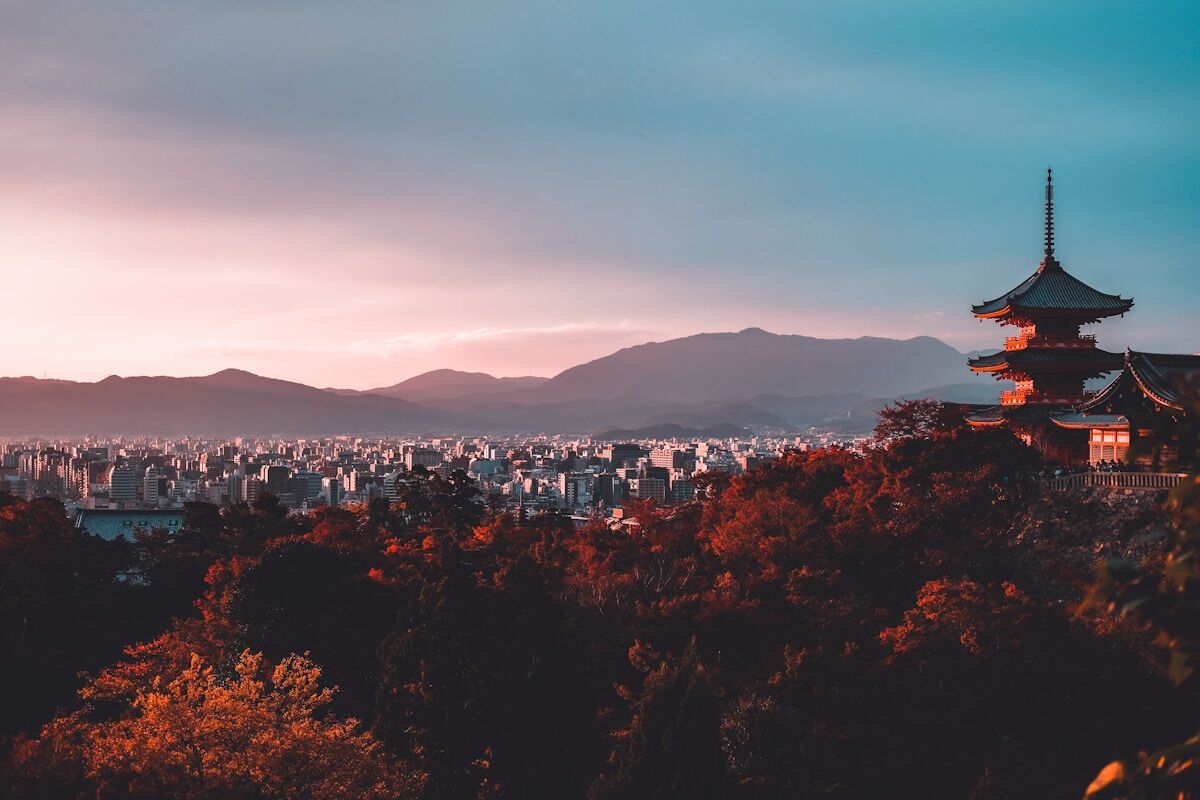
Beyond the crowds of Dali, a hidden valley in Yunnan unfolds like a brush painting—raw, imperfect, and utterly serene. Here, wabi-sabi silen
I left Dali on a winding road that climbed through pine forests and terraced fields, rain-smudged and grey. The car hummed over weathered asphalt, and then, without warning, the valley opened into Shaxi—an ancient trading town untouched by the frenzy of mass tourism. The old market square was empty but for a few locals and a huddle of weathered wooden stalls. Rammed-earth walls, cracked and golden-hued, leaned against stone foundations. A light drizzle glossed the worn cobblestones, turning them to seal-black glass.
I stayed in a small guesthouse set back from the square—a masterclass in what happens when wabi-sabi restraint meets Western minimalism. White-plastered walls were interrupted by raw timber beams, their grain still twisting like rivers. A single ceramic vase, deliberately misshapen, held a dried lotus pod. The floor was of local mountain stone, buffed to a soft, matte sheen. Light filtered through latticed windows, casting slow-moving shadows across the polished concrete floor. There was no art on the walls, nothing to distract. The room felt like a breath.
But true silence lived outside. I walked through a narrow alley, past a centuries-old stage where the wood had been worn concave by countless feet. A temple bell sounded—once—and the resonance hung in the humid air, then dissolved into the drip of water from a roof. In the distance, a rooster coughed. Then nothing. Just the sound of my own footsteps growing softer on the wet path. This, I realized, was Yunnan's real luxury: not abundance, but absence.
Lunch was a slow affair at a tiny family-run courtyard. A charcoal brazier glowed low under a blackened clay pot. Wild mushrooms—harvested that morning from the forest—simmered in a clear broth with young bamboo shoots and a few ribbons of chicken. The flavor was earthy, mineral, almost forested. We ate in near-silence, the steam curling upward like incense. A bowl of soft tofu arrived, set in a milky brine, served with a pinch of roasted salt. Nothing was oily. Nothing was loud. Each taste was a reminder of impermanence—of seasons, of weather, of these exact mushrooms that would never taste this way again.
On my last afternoon, I noticed a cracked plum jar sitting in a corner of the guesthouse courtyard, its glaze fissured with hair-thin lines. Wild grass had grown through a chip at its base. Beneath it, moss darkened the stone. A Western eye might call it broken. But here, in the muted Yunnan light, it seemed almost perfect—resigned to time, accepting of its flaws. That quiet acceptance, mingled with the clean geometries of the room behind me, felt like the purest expression of modern travel: not conquering a place, but being held by it.
As dusk settled, I sat on a simple wooden stool and watched the last sliver of sun slip behind the mountains. No itinerary demanded my attention. No itinerary ever should. In Yunnan's hidden corners, luxury is simply having the grace to sit still—and let the fading light remodel the world.

Share Your Thoughts
Have you ever experienced a farm stay in China? Share your thoughts in the comments below!
Join the Discussion →Ready for a stay?
Pugui Mountain Retreat — wabi-sabi living at 22°C.
Related Reading
Yunnan's Hidden Glamping Paradise: Where Wabi-Sabi Meets Western Minimalism
Among Yunnan's mist-wrapped mountains, a new breed of wilder
Wabi-Sabi and the Wired Life: A Digital Nomad's Yunnan
In the mist-wrapped mountains of Yunnan, ancient Chinese imp
The Art of the Weathered: Wabi-Sabi Luxury on a Yunnan Farm
Deep in the hills of Yunnan, a new kind of luxury farm stay