
Among Yunnan's mist-wrapped mountains, a new breed of wilderness escape fuses Japanese wabi-sabi with Western minimalism—a hidden glamping p
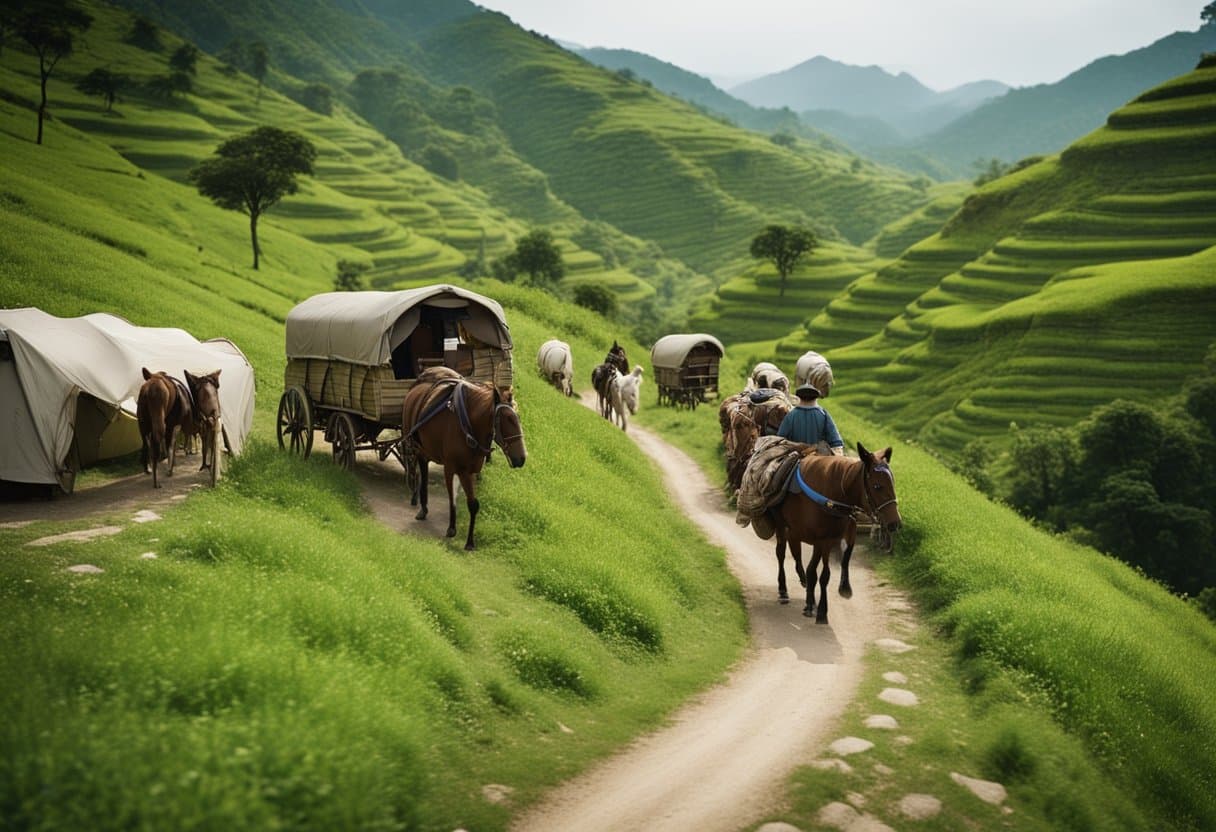
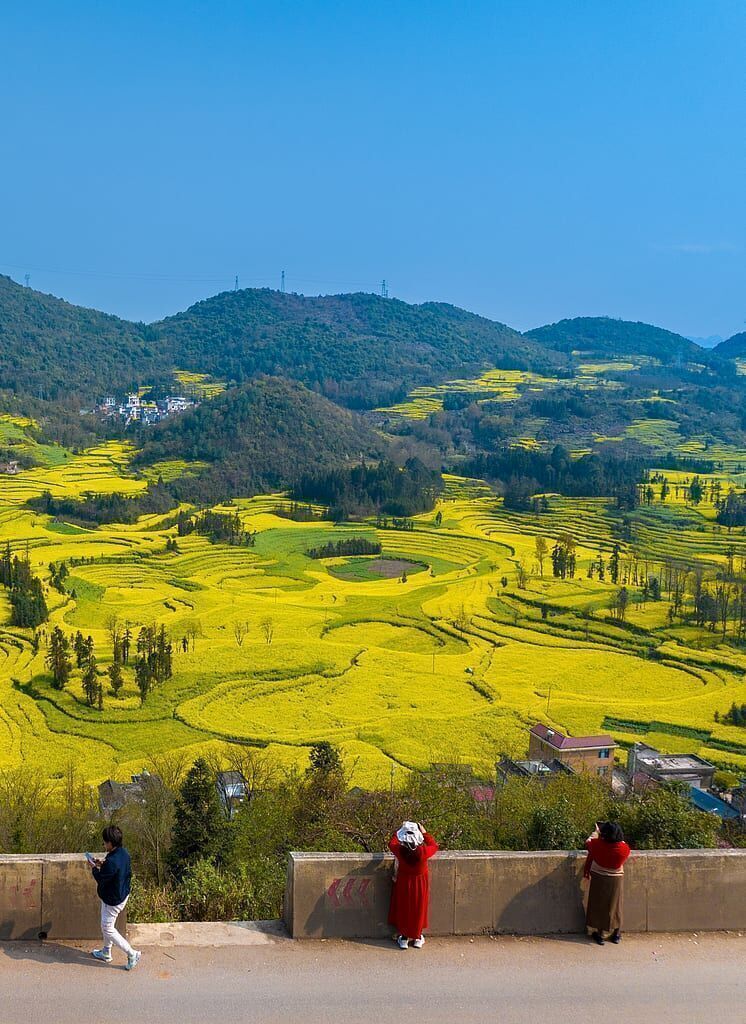
There's a place in Yunnan where the rice terraces dissolve into fog and time slows to the rhythm of a mountain stream. Tucked along a forgotten switchback above the Mekong, this off-grid glamping retreat isn't about marquee views or Instagram theatrics. It's about stillness, texture, and the quiet art of imperfection. Here, wabi-sabi meets Western minimalism—a marriage of rough-hewn timber, linen canvas, and stark white walls, all gone native among the pines.
You arrive on foot, following a path paved with broken slate and fallen camellia petals. The first thing you notice is the light: filtered through a canopy of alder and Yunnan cypress, it falls in dappled patches across the tents, each one set on a floating cedar deck. Rainwater drips from a bamboo gutter into a stone basin—a gentle, metronomic pulse. The air smells of damp earth, resin, and the faint sweetness of wild osmanthus.
Inside, the canvas walls glow like parchment. The floor is raw oak, washed pale by years of weather, with a few intentional knots and cracks left untouched. A low platform bed is dressed in hand-woven hemp sheets and a yak-wool throw in the shade of undyed fleece. No television, no minibar. Instead, a brass kettle on a charcoal stove, ceramic cups fired in a nearby village, and a single branch of quince arranged in a crackled pot. This is luxury reduced to its essence—not more, but better, chosen with restraint.
You open the side flap to your private outdoor bath: a shallow cedar tub fed by thermal spring water. As you sink in, you hear the wind moving through the valley like a long exhale, and beneath it, the distant clang of a temple bell. The water is exactly warm enough, and the steam rises into the cool mountain air, catching the last of the golden hour.
Meals are a study in seasonal simplicity. A bamboo steamer brings wild mushrooms foraged that morning—porcini and wood ear, sautéed with garlic chives and a slick of walnut oil. A cold plate offers heirloom radishes, pickled mustard greens, and a wedge of local goat cheese drizzled with honey from black bees. Each course is served on hand-thrown clay plates, uneven and dark, with visible fingerprints pressed into the glaze. Dessert is a slice of persimmon and a tiny cup of pu-erh, earthy and slow, mirroring the valley's patience.
After dinner, you wander to the communal fire pit—a raw steel ring set on a bed of river stones. Guests speak in hushed tones or not at all, wrapped in quilts of recycled indigo cotton. The fire cracks, sending sparks into a sky alive with stars. In the distance, snow peaks catch the moon's silver. This is the true luxury: the permission to exist in a landscape that doesn't need you to admire it, yet welcomes your presence anyway.
The yurts and tents are deliberately few—seven in all—so that each feels like the only one. There are no channels, no schedule, no Wi-Fi beyond a small cabin with a teak desk. But there is a shelf of weathered poetry, a cabinet of local tea, and a map with hand-drawn trails leading to hot springs and cliff-edge monasteries. The staff appear like silent ghosts, replenishing the kettle or replacing a worn candle with a fresh one, always a moment before you notice.
The beauty here is not perfect, nor does it try to be. Wood warps, textiles fray, and the moss creeps over the boardwalk. Yet that asymmetry is exactly the point. In a world of polished surfaces, this hidden corner of Yunnan offers a deeper kind of harmony—one where rust, grain, and shadow become the palette, and your only duty is to breathe.

Share Your Thoughts
Have you ever experienced a farm stay in China? Share your thoughts in the comments below!
Join the Discussion →Ready for a stay?
Pugui Mountain Retreat — wabi-sabi living at 22°C.
Related Reading
The Quiet Luxury of Yunnan: Where Wabi-sabi Meets Western Minimalism
Beyond the crowds of Dali, a hidden valley in Yunnan unfolds
Wabi-Sabi and the Wired Life: A Digital Nomad's Yunnan
In the mist-wrapped mountains of Yunnan, ancient Chinese imp
The Art of the Weathered: Wabi-Sabi Luxury on a Yunnan Farm
Deep in the hills of Yunnan, a new kind of luxury farm stay