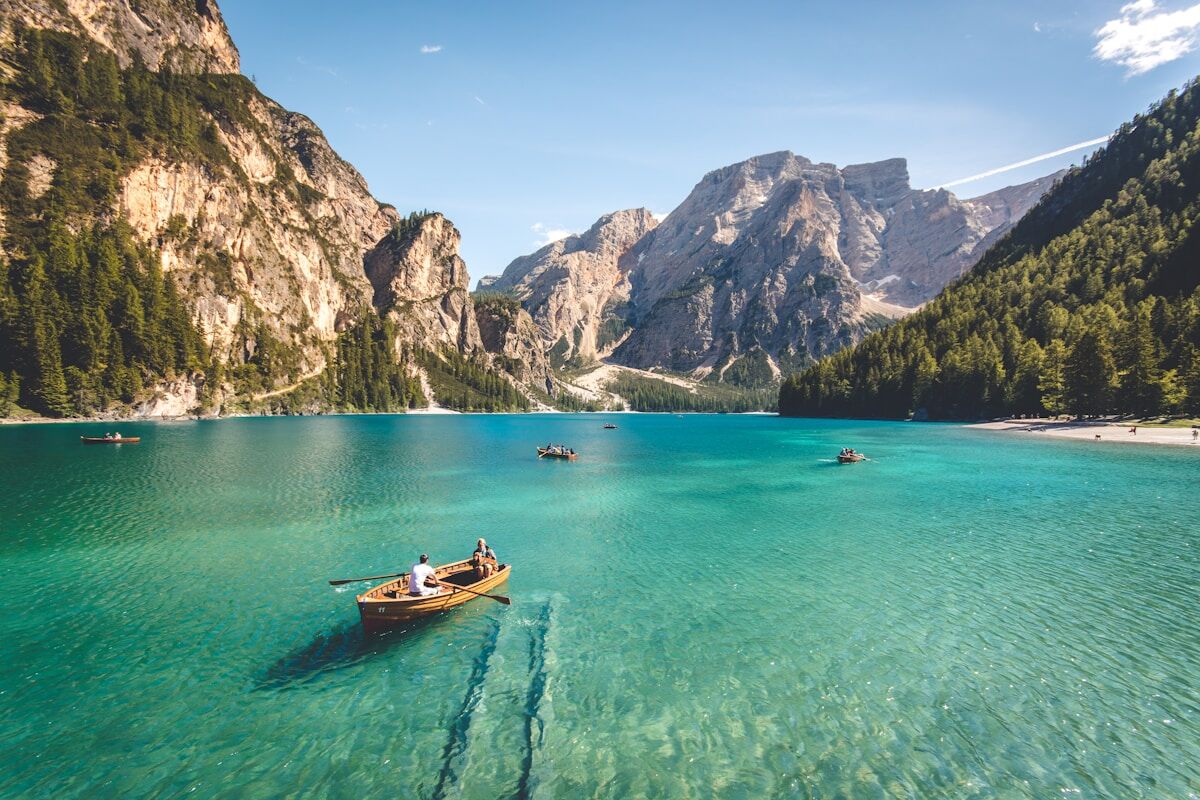
In Yunnan's high-altitude Shangri-La, wabi-sabi and Western minimalism meet in butter-lamp light, black clay, and prayer-flag wind.
Dawn in Shangri-La arrives like a whisper through linen. At 3,300 meters, the air is thin, cold, scented with juniper smoke and wet stone. I’m staying in a small lodge above Dukezong, where the design is a quiet collision: Tibetan black clay pots, hand-thrown and slightly asymmetrical, sit on pale oak consoles. A single brass butter lamp flickers beside a low platform bed dressed in undyed yak wool. Nothing is ornate. Everything is intentional. Wabi-sabi’s weathered imperfection meets Western minimalism’s clean line—and the room exhales.
After a breakfast of tsampa porridge with wildflower honey, toasted walnuts, and yak butter tea served in a chipped celadon cup, I walk to Songzanlin Monastery. The morning sun cuts gold across red pine columns. Monks in maroon robes murmur sutras; a low horn sounds from the assembly hall, vibrating in my sternum. Copper bells answer from the eaves. I spin prayer wheels until my palm warms, then sit on a slate step and do nothing. The silence isn’t empty. It’s full.
A private guide leads me to a meditation cell overlooking Napa Lake. We remove shoes. The floor is cold packed earth; the only furniture is a zabuton cushion and a bronze incense bowl. A monk pours spring water, lights a stick of Tibetan cedar, and teaches me a simple breath practice: four counts in, six counts out. Wind worries the prayer flags outside—flap, pause, flap—like a metronome for the soul. When I open my eyes, the light has moved across the wall, revealing the cracks in the whitewash. Beauty, I think, is what remains when you stop correcting.
Lunch is at the lodge: a clear broth of matsutake mushrooms and free-range chicken, served in a black clay bowl so rough it catches the light. Bitter plateau greens, barley flatbread, and a tiny glass of rhododendron honey. No garnish. No noise. Just the mineral taste of altitude.
In the afternoon, I visit a thangka painter’s studio in Dukezong. Pigments are ground by hand—malachite, cinnabar, lapis—and the air tastes of chalk and butter. The painter works on a canvas smaller than a postcard. “Perfection is boring,” he says, smiling at a brushstroke that strayed. “The breath got in.” I buy a miniature knot of raw silk, indigo and oat, and tuck it into my pocket.
By evening, the old town glows. Prayer flags snap in a rising wind. I soak in a cedar tub infused with local herbs, then wrap myself in a heavy linen robe. Dinner is simple: yak steak with smoked salt, roasted root vegetables, and a glass of Yunnan red. The sky outside is ink-blue, pierced by more stars than I have ever seen. A butter lamp on the windowsill gutters, steadies, burns.
This is luxury here—not gold, but gap. Not more, but enough. In Shangri-La, wabi-sabi and minimalism become the same discipline: receive the world with open hands, then let it go.

Share Your Thoughts
Have you ever experienced a farm stay in China? Share your thoughts in the comments below!
Join the Discussion →Ready for a stay?
Pugui Mountain Retreat — wabi-sabi living at 22°C.
Related Reading
The Quiet Luxury of Yunnan: Where Wabi-sabi Meets Western Minimalism
Beyond the crowds of Dali, a hidden valley in Yunnan unfolds
Yunnan's Hidden Glamping Paradise: Where Wabi-Sabi Meets Western Minimalism
Among Yunnan's mist-wrapped mountains, a new breed of wilder
Wabi-Sabi and the Wired Life: A Digital Nomad's Yunnan
In the mist-wrapped mountains of Yunnan, ancient Chinese imp