As the morning mist drifts over the eaves of the Dai village, the wooden guesthouse stands silent among the tropical rainforest, unadorned by deliberate luxury, only the wind through the corridors, light filtering into the courtyard, and the warmth of a bowl of glutinous rice.
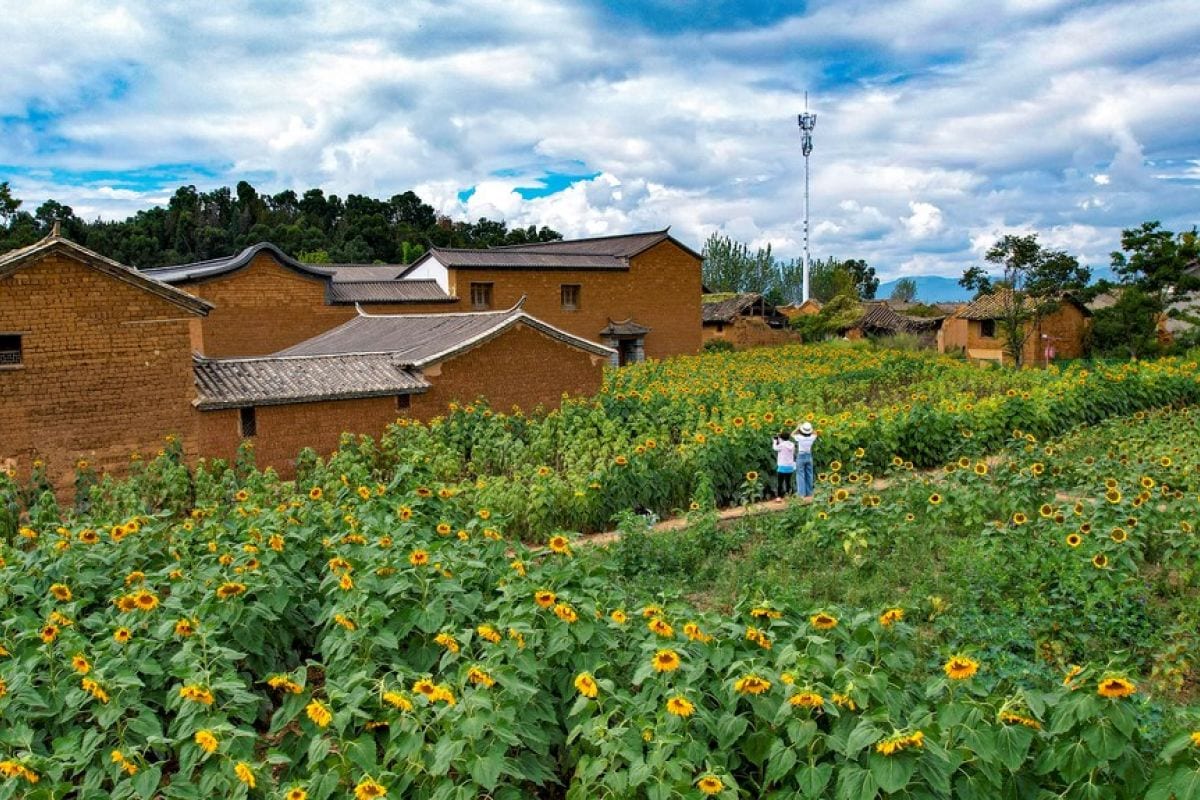
The rainforest of Xishuangbanna is not for viewing, but for breathing. This upscale residential space, hidden at the edge of the mystical Mengyuan仙境, deliberately avoids the gilded symbols of the Dai style, instead embracing the Eastern aesthetics of wabi-sabi, returning architecture to nature. The courtyard unfolds beside a century-old big blue tree, its walls constructed from a mixture of local clay and rice husks. After the rainy season, the surface is adorned with fine lichen marks—not flaws, but the texture inscribed by time itself.
Upon entering, the scent of wood greets you first. The Burmese teak pillars have been aged to a deep brown, warm to the touch, with the ridges of the wood grain palpable, as if the tree is still alive, merely breathing in a different manner. The ground is paved with old slate tiles, with slender ferns peeking through the cracks. In the morning, before the dew dries, stepping on them emits a soft "crackling" sound, as if shattering moonlight.
Light here moves at a leisurely pace. At noon, the sun is filtered through the broad leaves of tropical plants into a shower of gold, cascading through bamboo ceilings and casting shifting shadows on the linen sofas and coarse earthenware tea sets. As dusk falls, the wooden lattices on the west side slice the sunset into long strips of light, inching across the bed, finally vanishing in the faint glow of the earthen wall. You don't want to turn on the lights, for the twilight itself is a form of illumination.
Sound has been redesigned here as well. In the morning, there are the chimes from the eaves and the distant calls of孔雀. Next come the unknown birds of the rainforest, responding in long and short calls. Afternoon breezes rustle the banana leaves like turning pages. At night, the sound of mountain springs flowing through the courtyard stone troughs is more soothing than the white noise of air conditioners. The most delightful surprise is the sound of rain—tropical downpour pounding on the Burmese tile roof, dense like drumbeats, yet inside, only the rumble of thunder remains, as if nestled within a drum, all anxiety absorbed.
Food corresponds to the seasons and the land. Breakfast is served on a bamboo basket filled with sticky rice, still carrying the fragrance of banana leaves, paired with sour and spicy chicken feet, roasted moss, and a bowl of steaming chicken rice congee. In the evening, the butler lights a fire in the courtyard, grilling a few tilapia, sprinkling them with coriander and小米辣, and the air is filled with the tangy sweetness of charcoal and lemon. The ingredients all come from the ecological fields of nearby villages, the freshly picked jackfruit and passion fruit sliced open and served on wooden plates, eaten by hand, the juice dripping down the wrist—there are no elaborate platings, only the food in its pure form.
As night falls, the only source of light is the warm, amber flame in the stone lantern by the bed. The mosquito net is made of handwoven hemp fabric, coarse yet breathable. As you turn over, the bamboo bed slats emit a slight "creaking" sound, like an ancient language. You suddenly realize that what defines luxury is not marble and glass facades, but that every object is worthy of contemplation, and every breath connects with the earth's essence. The rainforest outside is breathing softly, and you don't want to fall asleep, yet you don't want to wake up.


Share Your Thoughts
Have you ever experienced a farm stay in China? Share your thoughts in the comments below!
Join the Discussion →Ready for a stay?
Pugui Mountain Retreat — wabi-sabi living at 22°C.
Related Reading
Tengchong · Tanggu Solitude: A Healing Stay in Eastern Wabi-Sabi
Amidst volcanoes and wetlands, guided by hot springs, nestle
A Zenith of Aesthetics, Heart to Dongba
Beyond the carved beams and painted eaves of the ancient cit
Serenity Journey in Shangri-La: Encountering Aesthetics of Wabi-Sabi Amidst the Plateau's Light and Shadow
At the foot of Shika Snow Mountain, an old Tibetan rammed ea