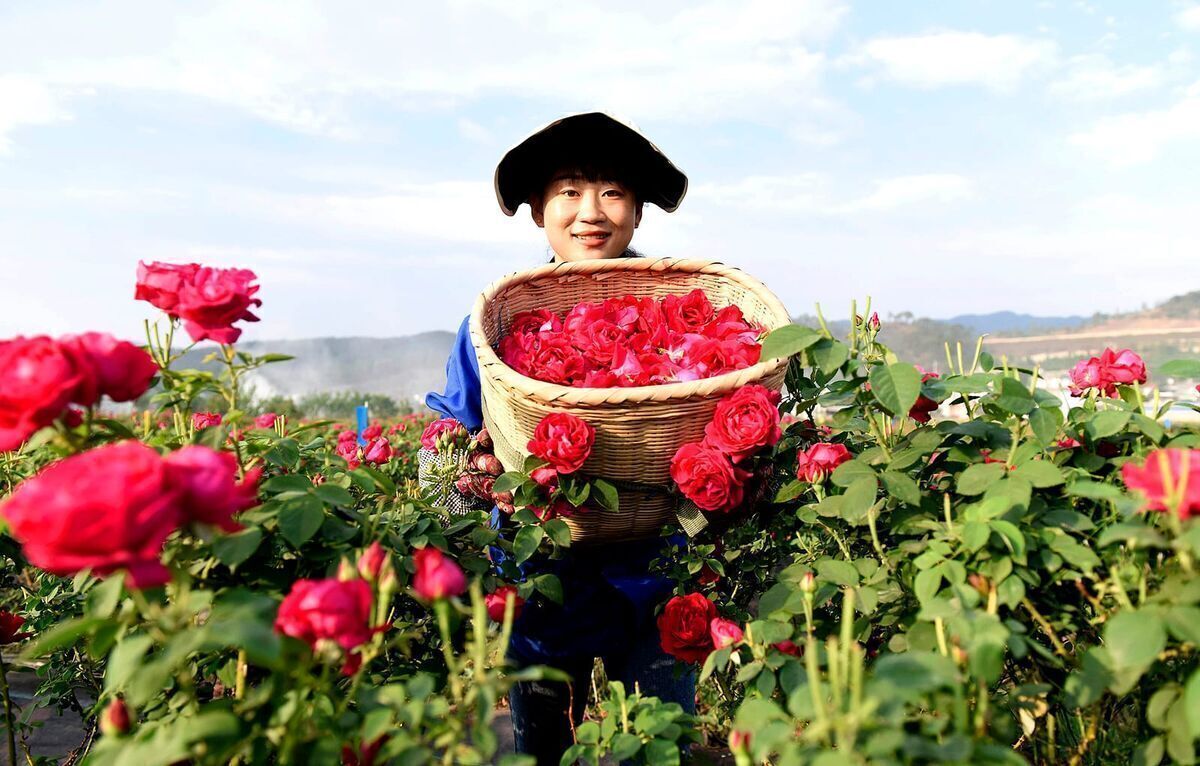
On the seventh day of rain, the old wall is speckled with watermarks, and mushrooms are pushing up beneath the pine needles. In the ancestral home in Shengguantun, I sweep the floor, light candles, and boil a mushroom broth, learning from a bit of moss on a tile—a lesson in settling oneself in a damp and faintly lit place.
June 22nd, the rain transformed Shengguan屯 into a patch of ancient pottery. The intermittent water lines from the eaves, striking the grey stone steps in front, made a muffled sound, like striking an old quilt. The earth base of the courtyard wall was dyed with varying depths of moisture, as if the earth was writing scriptures with a slow, steady hand. I reside in the wooden house on the second floor of the old house, where each step creaks—a sound that is not irritating but rather a reminder of my body's weight and the position I am in at this moment.
There is no electricity in the house. At dusk, I light a candle on a white copper candleholder, and the light only illuminates the wood grain on the table—a swirling, age-worn wart, like a puddle accumulated during the rainy season. The flickering candlelight casts shadows on the remaining vermilion lacquer on the beams, like faded red memories. The rain outside has layers: the distant mountains are a foggy,闷的 sound, while the banana leaves near by catch the raindrops, then slide off, like out-of-tune notes on a musical string.
In the morning, I go to the village entrance to buy tofu. The shopkeeper looks up from behind the stone mill, handing me a piece of tofu wrapped in lotus leaves, still warm. I learned to season a dish of chili paste, Sichuan pepper, and salt from the locals, and the sweetness of the tofu was gently lifted by the spiciness, sliding down my throat as the mist from the rice fields was seeping through the wooden fence into the alley. The air is filled with the pungent scent of cow dung, wet grass, and earth—a scent that is not grandiose but comforting, the kind of scent that speaks of wabi-sabi, a living essence with a decaying taste.
After the rain stops in the afternoon, I go up the mountain to pick mushrooms. The Qingtou mushrooms emerge from under the pine needles, their caps covered in mud and water droplets, like unguarded vessels. I place them in my bamboo basket with wet moss, and come back to cook a pot of clear soup. The mushrooms are fresh and reserved, needing salt to slowly draw out their essence, like a kind of waiting. A traveler at the table says that Yunnan's mushrooms know how to maintain a distance with people, not to be hurried. I find this saying delightful—so is living in a foreign land, first lowering oneself, and only after the seventh day can one understand how the shadows under the eaves begin to grow darker.
As night falls, the rain starts again. I sit on the corridor, sipping last year's roasted tea, the ashes, the sourness of plums, the bitterness, leaving a sweet aftertaste. The lights of the farmhouses in Shengguan屯 are scattered, like crumpled pieces of gold. The moss on the tiles is washed bright by the rain, the fluffy green almost glowing in the darkness. I suddenly understand that 'solitude' is not emptiness, but all things growing in the darkness, not disturbing each other, just living with the rain.

Share Your Thoughts
Have you ever experienced a farm stay in China? Share your thoughts in the comments below!
Join the Discussion →Ready for a stay?
Pugui Mountain Retreat — wabi-sabi living at 22°C.
Related Reading
Tengchong · Tanggu Solitude: A Healing Stay in Eastern Wabi-Sabi
Amidst volcanoes and wetlands, guided by hot springs, nestle
A Zenith of Aesthetics, Heart to Dongba
Beyond the carved beams and painted eaves of the ancient cit
Serenity Journey in Shangri-La: Encountering Aesthetics of Wabi-Sabi Amidst the Plateau's Light and Shadow
At the foot of Shika Snow Mountain, an old Tibetan rammed ea